Tag: diet

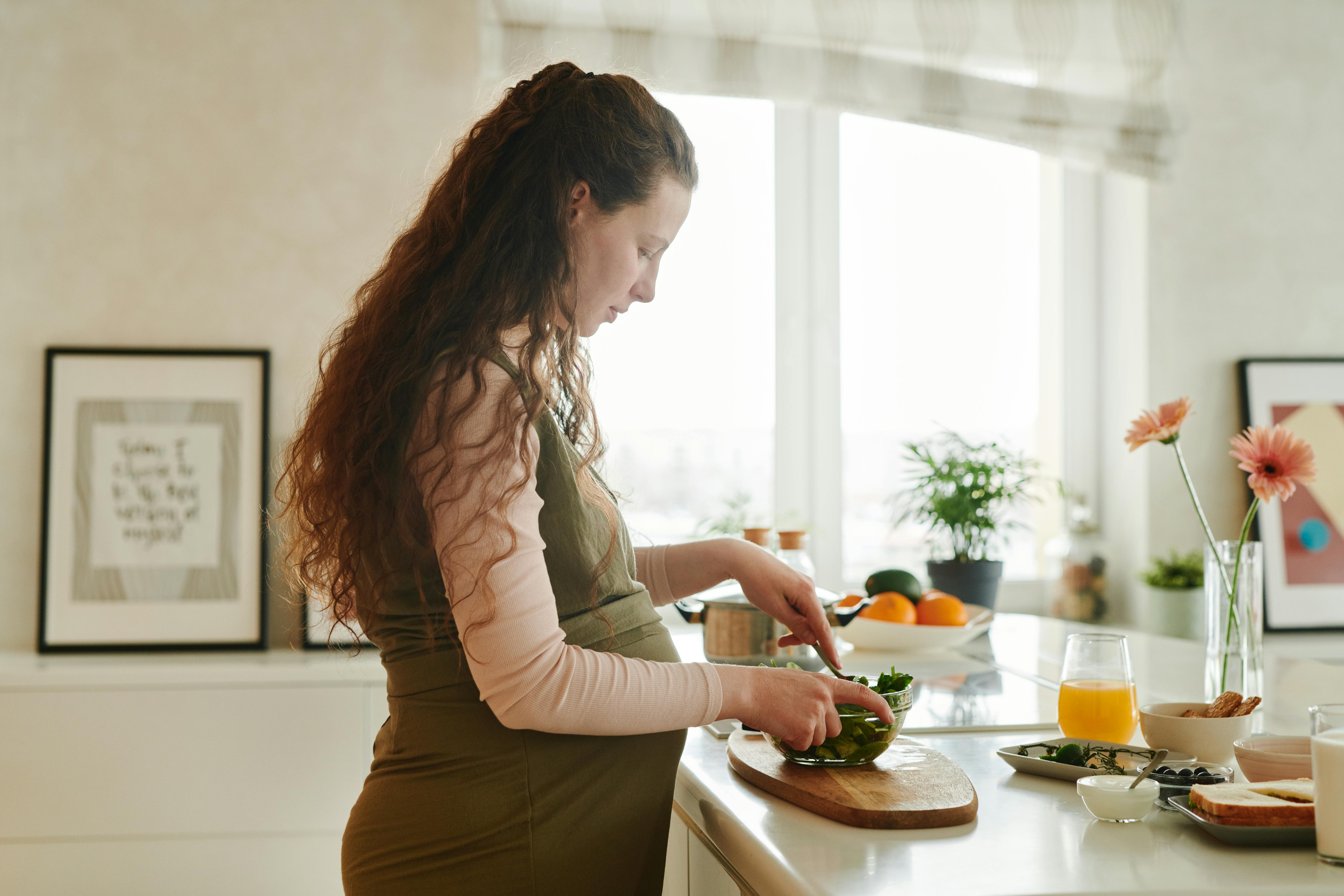
  • 10 Best Foods to Eat During Pregnancy for a Healthy Baby & Mother

    Introduction

    Firstly, congratulations on your pregnancy journey! Carrying a tiny little human is truly one of life’s biggest blessings.


    Eating healthy pregnancy foods not only helps expecting moms feel more energetic but also supports healthy baby development throughout every trimester.

    In this article, you will discover the 10 best pregnancy foods many moms include in their daily routine for a healthy and balanced pregnancy.


    My Personal Experience with Pregnancy Nutrition

    I am a big foodie and usually enjoy eating whatever I like. During pregnancy, like many women, I also wanted to eat healthy and make sure my baby was getting the right nutrients. So, I tried to avoid junk food throughout my pregnancy.

    During pregnancy, I realized that eating healthy was not always as easy as it sounds. Some days I felt hungry all the time, but I didn’t always want to eat fruits or other healthy foods. However, I reminded myself that I was eating for my baby.

    For more practical meal ideas organized by trimester, see my Pregnancy Diet Chart: Healthy Meal Plan for First, Second & Third Trimester.

    I experienced cravings as well as food aversions and nausea, especially during my second pregnancy. To make better choices, I started looking for simple, practical meal ideas instead of forcing myself to eat foods I couldn’t tolerate.

    I included fruits in yogurt, made pancakes with bananas and eggs, and found easier ways to add nutrition since I couldn’t always eat raw fruits.

    So what I learned is this: try to include as many healthy foods as possible in your diet to support both you and your baby. Small healthy choices added over time helped me feel more confident about supporting my baby’s growth.


    What Nutrients Do Pregnant Women Need Most?

    During pregnancy, your body goes through many changes to support your baby’s growth and development. Because of this, getting the right balance of nutrients becomes even more important for both you and your baby.

    Important nutrients like folate, iron, calcium, protein, omega-3 fatty acids, and fiber all play an important role in a healthy pregnancy.

    During my pregnancy, I tried to include these nutrients in my daily meals as much as possible, along with prenatal vitamins recommended by my doctor. I found that focusing on simple, balanced meals made it easier to support my nutritional needs.

    Folate supports your baby’s early development, especially in the first trimester. Iron helps your body produce the extra blood needed during pregnancy. Iron deficiency can contribute to tiredness, so adequate iron intake is important. Calcium supports strong bones and teeth for both you and your baby, while protein helps build your baby’s muscles, tissues, and organs. Fiber is also important because it supports digestion and may help reduce constipation, which is common during pregnancy.

    Including these nutrients as part of a balanced diet can help support a healthier pregnancy. Below are some foods that naturally provide these important nutrients.


    Why Healthy Eating Is Important During Pregnancy

    During pregnancy, healthy eating plays an important role in supporting both your well-being and your baby’s growth. A balanced diet can help provide the vitamins, minerals, and energy your body uses throughout pregnancy.

    A balanced pregnancy diet can help with:

    • Healthy baby growth
    • Strong immune support
    • Healthy pregnancy weight gain
    • Reduced pregnancy fatigue
    • Better digestion
    • Baby brain and bone development

    Spinach, kale, broccoli, and other leafy greens are rich in:

    • Iron
    • Calcium
    • Fiber
    • Folate

    Fiber-rich vegetables also help reduce constipation during pregnancy.

    Benefits:

    • High in iron and folic acid
    • Supports baby growth
    • Improves digestion
    • Helps reduce constipation

    2. Nuts and Dry Fruits

    Almonds, walnuts, raisins, and dates are healthy pregnancy snacks packed with:

    • Healthy fats
    • Protein
    • Fiber
    • Essential minerals

    Walnuts are especially beneficial because they contain omega-3 fatty acids that support baby brain development.

    Pro Tip:

    Soak almonds and walnuts overnight and blend them into a smoothie with bananas and oats for a quick pregnancy breakfast.

    Benefits:
    • Good source of protein
    • Healthy fats for baby development
    • Easy snack option

    3. Bananas

    Bananas are one of the easiest and healthiest pregnancy foods. They contain potassium, fiber, and natural energy.

    Benefits:

    • Helps reduce nausea
    • Supports digestion
    • Provides quick energy

    4. Avocados

    Avocados are a powerful pregnancy superfood rich in:

    • Healthy fats
    • Potassium
    • Folate

    Benefits:

    • Supports baby growth
    • Rich in healthy fats
    • Helps reduce leg cramps

    5. Dairy Products

    Milk, yogurt, and cheese provide calcium and protein, which are essential for strong bones and teeth.

    Greek yogurt is especially beneficial due to probiotics that support digestion.

    Benefits:

    • High in calcium
    • Good protein source
    • Supports bone health

    6. Protein-Rich Foods

    Protein is essential for baby muscle and tissue development.

    Healthy sources:

    • Chicken breast
    • Eggs
    • Fish
    • Tofu
    • Lentils
    • Beans
    Benefits:
    • Supports baby growth
    • Builds muscles
    • Keeps you full longer


    7. Whole Grains

    Whole grains like oats, quinoa, brown rice, and whole wheat bread provide long-lasting energy and fiber.

    Benefits:

    • High in fiber
    • Supports digestion
    • Keeps energy stable

    8. Colorful Vegetables

    Carrots, beets, tomatoes, bell peppers, and sweet potatoes are rich in antioxidants and vitamins.

    Benefits:

    • Rich in vitamins
    • Supports immune health
    • Good for skin and eyes

    9. Fresh Fruits

    Apples, bananas, berries, mangoes, watermelon, and oranges provide essential vitamins and hydration.

    Benefits:

    • Supports immunity
    • Gives natural energy
    • Rich in antioxidants

    10. Water and Hydration

    Staying hydrated during pregnancy is extremely important, especially as your baby grows during the second and third trimesters.

    It helps:

    • Reduce constipation
    • Improve digestion
    • Reduce fatigue
    • Support amniotic fluid levels

    Ginger tea may also help reduce morning sickness.

    Benefits:
    • Improves energy
    • Reduces tiredness
    • Supports digestion
    • Helps prevent dehydration

    Helpful Tips for Planning Pregnancy Meals

    Planning meals during pregnancy can sometimes feel overwhelming, especially when cravings, nausea, or food aversions make eating harder.

    During my pregnancy, I found it helpful to keep simple meal ideas ready, like yogurt with fruits, boiled eggs, smoothies, or nuts for quick snacks. This made healthy eating feel easier and less stressful.

    It also helped me to learn which foods were better to include regularly and which ones were better to limit during pregnancy. Making small balanced choices each day can make healthy eating feel much more manageable.


    Frequently Asked Questions

    What foods should I eat every day during pregnancy?

    For a healthy pregnancy, you should include a variety of nutrient-rich foods like fruits, vegetables, whole grains, dairy products, nuts, and protein-rich foods in your diet. Eating a balanced diet is very important for both you and your baby’s development.

    Which fruit is best for pregnancy?

    No single fruit is best in pregnancy. Bananas, oranges, apples, berries, mangoes, and watermelon are all popular choices because they contain essential vitamins, minerals, fiber, and hydration. Try to eat at least two servings of fruit every day.

    What foods help baby brain development during pregnancy?

    Foods rich in omega-3 fatty acids, healthy fats, protein, and folate may help support healthy brain development. For example: walnuts, avocados, eggs, safe fish during pregnancy, and leafy greens.

    How much protein do pregnant women need?

    Protein needs increase during pregnancy because your baby’s organs, muscles, and tissues are growing. Good protein sources like eggs, lentils, chicken, dairy products, tofu, and beans are very important.

    What foods should be avoided during pregnancy?

    Some foods carry a higher risk of foodborne illness or other complications during pregnancy. It is always important to be careful about what you eat. It is best to follow your healthcare provider’s advice on which foods should be limited or avoided while expecting.


    Conclusion

    A healthy pregnancy diet does not have to be perfect. Including a variety of nutrient-rich foods like fruits, vegetables, protein, dairy, whole grains, and healthy fats can help support both your health and your baby’s development.

    Every pregnancy is different, and your body may respond differently to certain foods. The goal is to focus on balance, stay hydrated, and make small healthy choices consistently throughout your pregnancy journey.

    If you are ever unsure about your diet or nutritional needs during pregnancy, it is always best to speak with your doctor or healthcare provider for personal guidance.


    About the Author

    Hi, I’m Bhavana, a mom and the creator behind Happy Mama Ideas. I share simple pregnancy, baby care, and motherhood tips based on my own experience as a mother, along with trusted research, to help expecting and new moms feel more confident and supported on their journey.


    Affiliate Disclosure

    This article may contain affiliate links. If you purchase through these links, I may earn a small commission at no extra cost to you. Thank you for supporting this blog.


    Medical Disclaimer

    This article is for informational purposes only. Always consult your doctor or healthcare provider before making dietary changes during pregnancy.

  • 10 Natural Ways to Relieve Morning Sickness During Pregnancy

    Quick Summary

    • Morning sickness is common in early pregnancy
    • Caused by hormonal changes like hCG
    • Usually improves after 12–14 weeks
    • Can be managed with diet, hydration, and rest

    Introduction

    Morning sickness is one of the most common symptoms during pregnancy, especially during the first trimester. It can cause nausea, vomiting, and fatigue, making daily life uncomfortable for many expecting mothers.

    Even though it is called morning sickness, nausea can occur at any time throughout the day. During my pregnancy, I often experienced nausea in the late afternoons and evenings rather than in the morning.

    Every woman’s experience is different. Some may feel nauseous only in the morning, while others may experience symptoms throughout the day. The good news is that there are several natural remedies for morning sickness during pregnancy that may help reduce symptoms safely and make pregnancy more comfortable.

    During my pregnancies, I found that a few simple tips and lifestyle changes helped reduce my morning sickness symptoms and made daily life much easier.

    In this article, you’ll learn 10 simple and effective natural ways to reduce morning sickness and manage pregnancy nausea more comfortably.


    My Personal Experience

    During my first pregnancy, I experienced morning sickness mainly during the first trimester, but thankfully it wasn’t too severe. I rarely vomited and only experienced nausea a few times throughout those first three months.

    My second pregnancy was completely different. I had much stronger morning sickness and felt nauseous much more often. Some days, I struggled even to brush my teeth because certain smells immediately triggered nausea. My stomach felt upset, and I experienced vomiting more frequently.

    One thing I noticed, and many women experience as well, was an increased sensitivity to smells. I could not tolerate the smell of rice cooking, certain perfumes, or even popcorn. Smells that never bothered me before suddenly became overwhelming.


    What Causes Morning Sickness During Pregnancy?

    Based on what I learned during my pregnancies, many doctors believe that morning sickness is mainly caused by the hormonal changes that occur during early pregnancy.

    During pregnancy, our bodies produce higher levels of hormones such as hCG (human chorionic gonadotropin) and estrogen. These hormones play an important role in supporting your growing baby, but they may also contribute to feelings of nausea and vomiting.

    Pregnancy can also cause digestive changes that may contribute to feelings of fullness, bloating, and nausea. The severity of morning sickness varies from woman to woman. In fact, I have friends who experienced little to no nausea during both of their pregnancies. Lucky them!

    However, if you’re struggling with pregnancy nausea, the natural remedies below may help. Many of these tips worked for me during my own pregnancies.


    When Does Morning Sickness Start and End

    Morning sickness usually begins around week 6 of pregnancy and often becomes stronger between weeks 8 and 10.

    In my first pregnancy, my morning sickness had almost completely disappeared by week 12. With my second pregnancy, the nausea was much stronger during the early weeks and gradually improved as I entered the second trimester.

    Every woman’s experience is unique. Some women may have only mild symptoms that last a few weeks, while others may experience nausea for a longer period during pregnancy.


     1. Eat Small, Frequent Meals

    Eating small, frequent meals throughout the day can help prevent an empty stomach, which is a common trigger for nausea during pregnancy.

    During my pregnancy, I found that eating smaller meals instead of large portions felt easier for my stomach and helped reduce my nausea.

    Good snack options include:

    • Bananas
    • Yogurt
    • Apples
    • Toast
    • Rice
    • Plain crackers

     2. Stay Hydrated with Water or Ginger Tea

    Staying hydrated is very important during pregnancy. Try drinking water in small sips throughout the day.

    I personally found that keeping a water bottle nearby helped me stay consistent with hydration.

    If you’re wondering how much fluid you generally need during pregnancy, read our guide: How Much Water Should a Pregnant Woman Drink? A Simple Pregnancy Hydration Guide.

    Helpful options include:

    • Water
    • Lemon water
    • Coconut water
    • Ginger tea

    3. Avoid Strong Smells and Trigger Foods

    During pregnancy, your sense of smell becomes more sensitive. Strong odors and certain foods may trigger nausea.

    Common triggers include:

    • Spicy meals
    • Fried or oily foods
    • Cooking smells
    • Strong perfumes

    Try to identify your personal triggers and avoid them whenever possible. Keep your windows open while cooking, and if possible, ask someone for help to prepare meals.

    4. Get Enough Rest and Sleep

    Fatigue can worsen morning sickness symptoms.

    Proper rest supports overall pregnancy health and reduces nausea.

    Try to:

    • Maintain a regular sleep schedule
    • Take short naps
    • Avoid overexertion
    • Create a comfortable sleeping environment

     5. Eat Light Snacks Before Getting Out of Bed

    Having a light snack before getting up can help prevent morning nausea.

    Keeping simple foods near your bed:

    • Plain crackers
    • Dry biscuits
    • Toast
    • Rice cakes

    Tip: After eating, wait a few minutes before standing up. This simple habit may help settle your stomach and reduce morning nausea.

     6. Include Vitamin B6-Rich Foods in Your Diet

    Foods rich in vitamin B6 include:

    • Bananas
    • Nuts
    • Whole grains
    • Avocados
    • Potatoes

    Including these foods as part of a balanced pregnancy diet may help support overall nutrition while also helping with nausea.

    7. Try Ginger in Different Forms

    You can try ginger in different forms:

    • Ginger tea
    • Fresh ginger in food
    • Ginger biscuits

    8. Get Fresh Air Daily

    Staying indoors for long periods may trigger nausea. Fresh air and a change of environment may help some people feel more comfortable, especially when indoor smells trigger nausea.

    Try:

    • Opening windows regularly
    • Taking short walks daily
    • Spending time outdoors

    During both of my pregnancies, I noticed that staying indoors for long periods sometimes made nausea feel worse. Even a short walk outside or sitting near an open window helped me feel more refreshed. Fresh air won’t completely eliminate morning sickness, but many women find it helpful when strong smells indoors are triggering nausea.

    9. Practice Relaxation Techniques

    Stress can worsen symptoms. Simple relaxation techniques may help support both physical and emotional well-being during pregnancy.

    Consider trying:

    • Deep breathing exercises
    • Light meditation
    • Gentle stretching
    • Prenatal yoga

    I did only 10 minutes a day focusing on relaxation, and it helped me feel calmer and more comfortable.

    10. Eat Soft and Easy-to-Digest Foods

    Choose foods that are gentle on your stomach. Especially during the first trimester, avoid spicy, oily, or heavy meals.

    Good options include:

    • Toast
    • Plain soup
    • Applesauce
    • Bananas
    • Oatmeal
    • Rice

    I completely avoided greasy and highly seasoned foods during my first trimester of pregnancy, which helped improve my digestion and reduce nausea.

    I also found that eating smaller portions of bland foods throughout the day was easier than trying to eat large meals. When my stomach felt sensitive, simple foods like toast, rice, and bananas were often the easiest to tolerate.

    If you are looking for a more complete guide to balanced meals and trimester-specific food ideas, see my Pregnancy Diet Chart: Healthy Meal Plan for First, Second & Third Trimester


    When Should You Contact Your Doctor

    Morning sickness is most common during early pregnancy, but here are situations where you should contact your healthcare provider.

    Contact your doctor if you:

    • Feel dizzy or faint
    • Cannot keep food or fluids down
    • Experience severe vomiting
    • Notice signs of dehydration
    • Lose weight unexpectedly

    In rare cases, severe nausea and vomiting can develop into a condition called hyperemesis gravidarum, which may require medical treatment. If your symptoms are severe or concerning, it’s always best to contact your doctor.


    Frequently Asked Questions

    Is morning sickness normal during pregnancy?

    Yes, morning sickness is very common, especially during the first trimester. I experienced different levels of nausea in both of my pregnancies as hormone levels increased.

    Can morning sickness last all day?

    It varies for everyone. I didn’t only feel it in the morning—I often had nausea in the afternoon and evening. Morning sickness can actually happen at any time of the day or night.

    What foods help reduce nausea during pregnancy?

    I found relief with bland foods such as toast, rice, crackers, bananas, and applesauce.

    Is ginger tea safe during pregnancy?

    Ginger may help some people with pregnancy-related nausea. I personally drank ginger tea during my pregnancies, but it is best to discuss the amount and form of ginger with your healthcare provider, especially if you have questions about supplements or concentrated products.

    When should I worry about morning sickness?

    If you are unable to keep food or fluids down, become dehydrated, lose weight unexpectedly, or experience severe vomiting, contact your healthcare provider.


    Conclusion

    Morning sickness is a normal part of pregnancy, but it can often be managed with simple lifestyle changes and natural remedies for pregnancy nausea. Eating small meals, staying hydrated, getting enough sleep, avoiding triggers, and trying ginger may help reduce symptoms and make daily life more comfortable.

    Most importantly, don’t stress yourself during pregnancy. Stay calm, take care of your body, and listen to what it needs.

    Every pregnancy is different, so always consult your doctor if your symptoms become severe.


    About the Author

    Hi, I’m Bhavana, a mom and the creator behind Happy Mama Ideas. Through my own pregnancies, I have experienced many of the symptoms discussed in this blog, including morning sickness, food aversions, and fatigue. I share practical pregnancy, baby care, and motherhood tips based on my own experience as a mother, along with trusted research, to help expecting and new moms feel more confident and supported on their journey.


    Medical Disclaimer

    This article is for informational purposes only and is not a substitute for professional medical advice, diagnosis, or treatment. Always consult your doctor or healthcare provider before trying any remedies during pregnancy.

    Affiliate Disclosure

    Some links in this post may be affiliate links. This means I may earn a small commission at no extra cost to you.