Category: Pregnancy Nutrition

Healthy foods, nutrition tips, and foods to avoid during pregnancy

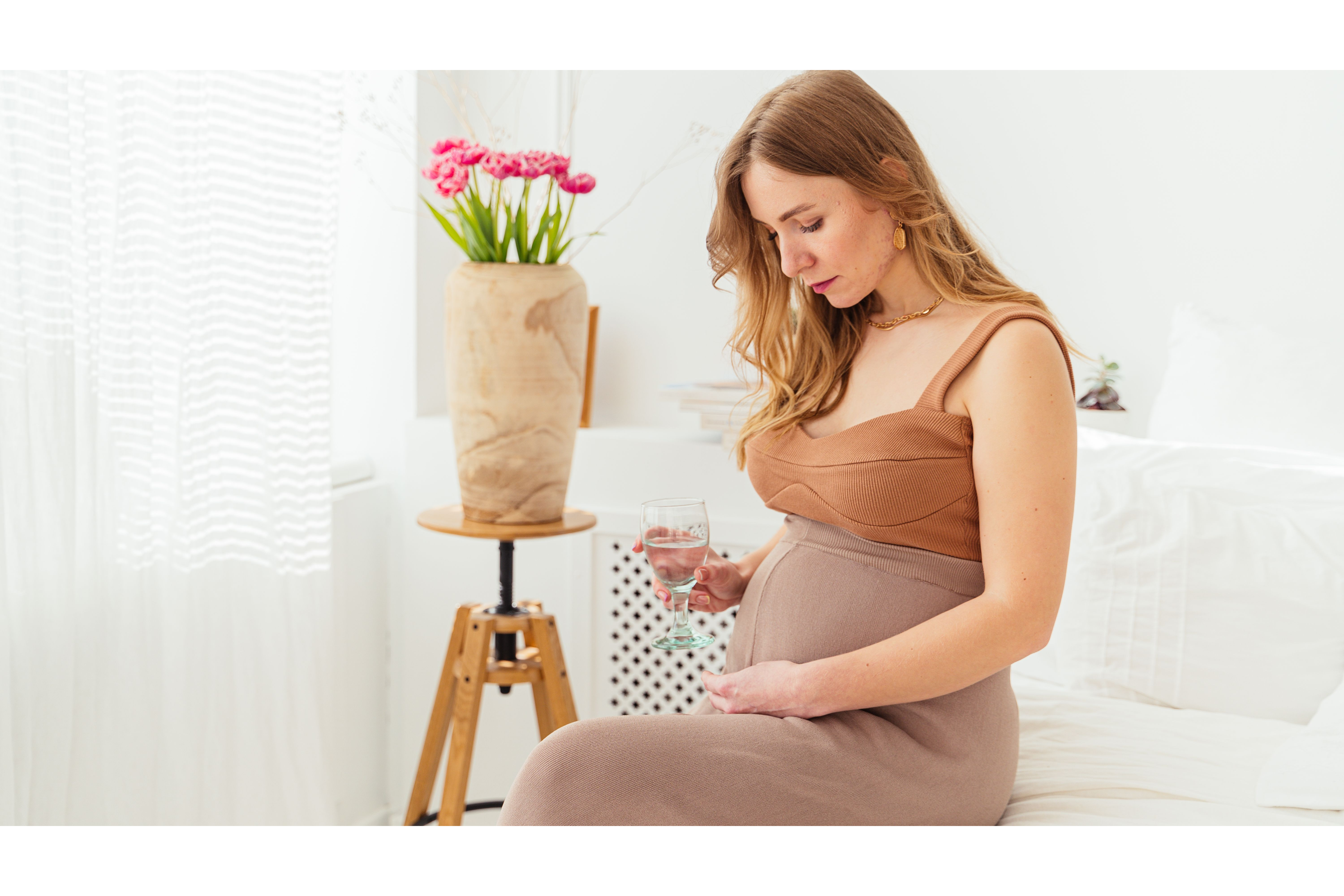
  • How Much Water Should a Pregnant Woman Drink? A Simple Pregnancy Hydration Guide

    Quick Summary

    • Staying hydrated during pregnancy is important for both you and your growing baby.
    • Pregnancy increases your body’s fluid needs, although the amount can vary from person to person.
    • Your water needs may increase during hot weather, physical activity, or if you’re experiencing vomiting or diarrhea.
    • Dehydration can sometimes cause symptoms like dark urine, dizziness, dry mouth, and unusual tiredness.
    • This guide explains how much water you generally need, what drinks can support hydration, and simple tips to make drinking enough fluids easier during pregnancy.

    Introduction

    During my pregnancies, I was often confused about whether I was drinking enough water. Some days I felt thirsty all the time, while on other days I barely felt thirsty at all. I still remember my first trimester when drinking water sometimes made my morning sickness feel worse. Even then, I knew I needed to stay hydrated, which wasn’t always as easy as I expected.

    At first, I thought drinking water was simply about satisfying my thirst. Later, after speaking with my doctor, I learned that staying hydrated supports both the mother and the baby in many ways. It plays an important role in digestion, circulation, maintaining amniotic fluid levels, and helping your body adapt to the many changes that happen during pregnancy.

    If you have similar questions about pregnancy hydration, you are not alone.

    In this guide, I’ll answer some of the most common questions about pregnancy hydration, including how much water pregnant women generally need, the signs of dehydration, and practical tips to make staying hydrated easier throughout pregnancy.


    How Much Water Should You Drink During Pregnancy?

    As a general guideline, the total amount of water needed during pregnancy is often described as approximately 2.3 liters (about 10 cups) per day from beverages and food combined. This is not a strict requirement for every pregnant woman, and individual fluid needs can vary depending on factors such as activity level, weather, pregnancy symptoms, and overall health.

    Your healthcare provider may recommend different amounts based on your individual needs.

    Your daily fluid intake can come from a variety of sources, including:

    • Plain water
    • Milk
    • Soups
    • Smoothies
    • Fruits
    • Vegetables
    • Other non-alcoholic beverages

    Your fluid needs may be higher or lower depending on factors such as:

    • Weather and temperature
    • Physical activity levels
    • Your body weight
    • Vomiting or diarrhea
    • Fever
    • Your overall health

    Instead of focusing on one exact number, try to drink fluids regularly throughout the day and pay attention to your body’s thirst signals. 


    Is 8 Glasses of Water Enough During Pregnancy?

    Before I became pregnant, I always heard that everyone should drink 8 glasses of water a day. Naturally, I assumed that the same advice applied during pregnancy. However, I soon realized that staying hydrated during pregnancy isn’t about reaching one specific number every day.

    I noticed that my fluid needs changed from day to day, which is common during pregnancy. Listening to my body’s needs worked much better than trying to force myself to drink a specific number of glasses every day.

    The popular “8 glasses a day” rule can be a useful reminder to drink enough fluids, but it isn’t a universal pregnancy recommendation. Some women may need more fluids, while others may feel more comfortable drinking smaller amounts more frequently throughout the day.

    Rather than focusing only on counting glasses of water, pay attention to how you feel and make hydration a regular habit. If you’re unsure whether you’re drinking enough during pregnancy, your healthcare provider can offer personalized guidance based on your individual needs.


    Why Is Hydration Important During Pregnancy?

    Water plays an important role in many of your body’s normal functions. During pregnancy, staying hydrated not only supports your overall health but may also help manage some common pregnancy discomforts.


    It Helps Support Your Increased Blood Volume

    During pregnancy, your body produces more blood to support both you and your growing baby. Drinking enough fluids helps support normal blood circulation and allows your body to adapt to the many changes that happen throughout pregnancy.


    It May Help Prevent Dehydration

    Pregnancy symptoms such as nausea, morning sickness, sweating, vomiting, and illness can increase fluid loss. Drinking enough water and other fluids throughout the day can help replace the fluids your body loses and support healthy hydration levels.


    It Supports Healthy Digestion

    Constipation was one of the most uncomfortable symptoms I experienced during pregnancy, especially during my first trimester. I found that eating fiber-rich foods along with drinking enough water helped support healthy digestion and made constipation easier to manage.


    It May Help with Pregnancy Fatigue

    Dehydration can sometimes contribute to feelings of tiredness and generally feeling unwell. While drinking water is not a cure for pregnancy fatigue, staying well hydrated is one important part of supporting your overall health and energy levels during pregnancy.


    It Supports Your Body as Your Baby Grows

    Throughout pregnancy, your body needs fluids for many important processes. Staying hydrated is one of the simplest daily habits that can support your overall well-being while your baby continues to grow and develop.


    How Much Water Should You Drink During Each Trimester?

    You don’t necessarily need to drink the exact same amount of fluids during every trimester. Pregnancy symptoms and lifestyle changes may affect how much you feel comfortable drinking and how much fluid your body needs.


    First Trimester

    The first trimester is the period when many women find it difficult to drink enough water because of morning sickness and nausea.

    I still remember that drinking plain water sometimes made my nausea feel worse. Even then, staying hydrated remained important.

    If you’re unable to drink plain water comfortably, don’t worry. Taking small sips throughout the day may feel easier than drinking large amounts at once. Some women may also find cold water, lemon water, or lemon tea easier to tolerate during the first trimester.

    You can:

    • Keep a water bottle nearby.
    • Take small sips whenever you feel comfortable.
    • Drink fluids between meals if larger amounts with meals make you uncomfortable.
    • Try cold water, lemon water, or lemon tea if they work well for you.
    • Choose foods with a high water content, such as fruits and vegetables.

    Second Trimester

    As pregnancy progresses, your body continues to change.

    After entering the second trimester, many women find that nausea starts to improve, which can make it easier to drink fluids regularly compared to the first few weeks of pregnancy.

    Continue drinking water and other healthy fluids like coconut water or smoothies, especially when you feel thirsty. Try not to postpone drinking water (something many of us do when we are busy). 

    Staying hydrated is a simple habit that supports your changing body and your growing baby.


    Third Trimester

    This was the trimester when I personally felt much more thirsty. However, not feeling increased thirst does not always mean there is a problem, as pregnancy experiences can vary.

    During the third trimester, your body continues supporting your growing baby, and your fluid needs may change as your pregnancy progresses.

    Some women may experience:

    • Increased thirst
    • Heartburn
    • Constipation
    • Feeling full more quickly
    • Increased urination

    If drinking a large amount of water at once feels uncomfortable, try taking smaller amounts more frequently throughout the day.


    What Are the Signs of Dehydration During Pregnancy?

    Possible signs of dehydration during pregnancy may include:

    • Dark yellow urine
    • Constipation
    • Dry mouth
    • Headache
    • Dizziness
    • Feeling very thirsty
    • Urinating less frequently
    • Weakness
    • Unusual tiredness

    Urine color can be a general clue about your hydration level, but it is not the only way to understand whether you are drinking enough fluids.

    If you are concerned that you may be dehydrated, feel unwell, or experience symptoms that worry you, contact your healthcare provider for advice.


    What Should You Drink During Pregnancy?

    Water is the simplest everyday choice for staying hydrated during pregnancy. However, you can also include other healthy drinks as part of your daily fluid intake.


    Milk

    Milk provides fluids along with important nutrients such as calcium and protein, which support your changing body during pregnancy.

    I personally enjoyed drinking a glass of milk every night before going to sleep. If you enjoy milk and can tolerate it well, it can be a nutritious addition to your pregnancy diet.


    Soups

    Homemade soups can be a good option when you do not feel like eating a large meal. They provide fluids along with nutrients from vegetables, lentils, or other ingredients you add.


    Smoothies

    Smoothies can provide fluids along with fruits, vegetables, yogurt, and other nutritious ingredients. You can add options like oats, nuts, or seeds to make them more filling and nutrient-rich.


    Coconut Water

    I enjoyed drinking coconut water during my pregnancy, especially because my pregnancy was during summer. It can be a refreshing drink option for many women.

    However, if you have any specific health conditions or concerns, it is always better to ask your healthcare provider before consuming large amounts. Also, check the label when buying packaged coconut water.


    Ginger Tea

    If you enjoy ginger tea, it can be a comforting drink option, especially during times when you are experiencing nausea. However, choose the amount that feels right for you and follow your healthcare provider’s advice if you have any concerns.


    What Drinks Should You Avoid or Limit During Pregnancy?

    While staying hydrated is important during pregnancy, some drinks should be limited or avoided to support your health and your baby’s development.


    Excessive Caffeine

    During pregnancy, it is generally recommended to limit caffeine intake. Caffeine can be found in:

    • Coffee
    • Energy drinks
    • Some soft drinks
    • Chocolate
    • Other caffeinated beverages

    The amount of caffeine that is appropriate during pregnancy may vary, so if you are unsure about your intake, discuss it with your healthcare provider.


    Energy Drinks

    Energy drinks often contain high amounts of caffeine and may also include other ingredients that may not be recommended during pregnancy. It is best to avoid energy drinks unless your healthcare provider advises otherwise.


    Alcohol

    Alcohol should be avoided during pregnancy because it can affect your baby’s development. If you have questions about alcohol exposure during pregnancy, speak with your healthcare provider for personalized advice.


    Hydration During Morning Sickness

    During my first trimester, I personally experienced a lot of difficulty and discomfort when it came to drinking water. Sensitivity to smells, nausea, and certain foods and drinks becoming difficult to tolerate made staying hydrated more challenging than I expected.

    I found that taking small sips of chilled water worked better for me instead of trying to drink a large glass of water at once. If you are unable to drink enough fluids because of vomiting or morning sickness, you can also try water-rich foods and cold fluids that feel easier to tolerate.

    Severe vomiting during pregnancy can lead to dehydration and may require medical attention. If you are unable to keep fluids down, contact your healthcare provider.


    Can You Get Water From Foods?

    Yes.

    Some foods contain a good amount of water and can contribute to your overall fluid intake.

    Water-rich foods include:

    • Watermelon
    • Oranges
    • Strawberries
    • Tomatoes
    • Cucumbers
    • Soups
    • Yogurt

    However, eating water-rich foods does not mean you should stop drinking fluids. A combination of regular fluid intake and a balanced diet can help support hydration during pregnancy.


    Simple Tips to Drink More Water During Pregnancy

    Keep a Water Bottle Nearby

    Keeping water within reach can make it easier to remember to drink regularly.

    One thing that helped me stay hydrated was using a time-marked water bottle. It reminded me to drink water throughout the day instead of realizing later that I had not consumed enough fluids.


    Set Simple Reminders

    It is easy to forget drinking water, especially when you are busy or dealing with pregnancy symptoms.

    I used to set reminders on my mobile every one or two hours, which helped me remember to take regular sips throughout the day.


    Add Natural Flavors

    If plain water feels boring or difficult to drink, you can add natural flavors such as:

    • Lemon
    • Orange slices
    • Cucumber
    • Mint leaves
    • Fresh fruits

    This can make water more enjoyable and encourage you to drink more.


    Drink With Meals or Between Meals

    Some people prefer drinking water with meals, while others find it more comfortable to drink between meals.

    During pregnancy, especially if you experience nausea or feel too full quickly, find a routine that works best for your body and lifestyle.


    Hydration During Hot Weather and Exercise

    If it is summer, the temperature is high, or you are doing physical activity, your body may need more fluids because you lose more water through sweating.

    During these situations, pay attention to your body’s signals and make sure you drink enough fluids throughout the day. If you notice any signs that you may be dehydrated, try to drink water or other healthy fluids soon.

    Staying aware of your fluid needs is especially important when you are outside or physically active in hot weather.


    Hydration and Gestational Diabetes

    If you have gestational diabetes, paying attention to your fluid intake becomes even more important. 

    I had gestational diabetes during both of my pregnancies. During my third trimester, I found that staying hydrated helped me maintain a healthier daily routine.

    Water is usually the best everyday choice because it does not contain added sugar or extra calories. I also focused on balanced meals, regular eating patterns, and following my healthcare provider’s guidance to manage gestational diabetes.

    Everyone’s needs are different, so if you have gestational diabetes or questions about your fluid intake, discuss them with your doctor or a registered dietitian.


    When Should You Contact Your Healthcare Provider?

    Contact your healthcare provider if you:

    • Have severe diarrhea
    • Notice signs of significant dehydration
    • Are urinating much less than usual
    • Are vomiting frequently
    • Cannot keep fluids down
    • Feel unusually weak or unwell

    If you are worried that you are not getting enough fluids or something does not feel right, it is always best to speak with your doctor for advice based on your individual situation.


    Frequently Asked Questions About Water During Pregnancy


    Is it safe to drink too much water during pregnancy?

    Drinking excessive amounts of water in a short period is not recommended. It is better to spread your fluid intake throughout the day and listen to your body’s thirst signals.


    How many glasses of water should a pregnant woman drink

    As a general guideline, pregnant women need around 2.3 liters (about 10 cups) of total water per day from foods and beverages. This is not a strict requirement for every pregnant woman, and individual needs may vary depending on factors such as health, activity level, weather, and pregnancy symptoms.


    Is cold water safe during pregnancy?

    Yes, cold water is generally safe during pregnancy. Some women find that chilled water feels easier to drink, especially when dealing with nausea or morning sickness.


    Can dehydration cause pregnancy cramps?

    Dehydration may contribute to feeling unwell and can sometimes be associated with muscle cramps. However, not all cramps are caused by dehydration. If you experience severe or unusual cramping, contact your healthcare provider.


    Can I drink coconut water during pregnancy?

    Yes, many pregnant women include coconut water as part of their fluid intake. However, it should not replace a balanced diet and regular fluid intake. If you have a medical condition such as gestational diabetes, ask your doctor before making significant changes to your diet.


    What should I drink if I have morning sickness?

    Some women find that small sips of chilled water, ice chips, lemon water, or lemon tea are easier to tolerate during morning sickness. Choose what feels comfortable for you.


    Does drinking water help pregnancy constipation?

    Yes, drinking enough fluids along with fiber-rich foods may help support healthy digestion and relieve constipation during pregnancy.


    Do I need more water during the third trimester?

    Your fluid needs can change throughout pregnancy. During the third trimester, you may need more fluids depending on factors such as weather, physical activity, vomiting, illness, and your individual health needs.


    Can I drink lemon water during pregnancy?

    Yes, lemon water is generally considered safe during pregnancy and may help some women who find plain water difficult to tolerate, especially during morning sickness.

    If you have any medical condition or concerns, discuss it with your healthcare provider.


    Conclusion

    Staying hydrated is an important part of a healthy pregnancy. However, you do not need to stress about drinking a perfect amount of water every single day.

    A general guideline is around 2.3 liters of total water from foods and beverages, but your individual needs may vary depending on your pregnancy stage, activity level, weather, and overall health.

    Instead of focusing only on a specific number, try to drink fluids regularly throughout the day and listen to your body’s needs. Small habits, like keeping water nearby and taking frequent sips, can make staying hydrated easier during pregnancy.

    Every pregnancy is different, so always follow your healthcare provider’s advice if you have concerns about your fluid intake.


    About the Author

    Hi, I’m Bhavana, a mom and the creator behind Happy Mama Ideas. I share simple pregnancy, baby care, and motherhood tips based on my personal experiences as a mother, combined with information from trusted health sources, to help expecting and new moms feel more confident and supported throughout their journey.


    References

    The pregnancy hydration information in this article is based on general guidance from trusted health organizations, including:


    Medical Disclaimer

    This article is for informational and educational purposes only and is not intended to replace professional medical advice, diagnosis, or treatment. Every pregnancy is different, and fluid needs may vary based on your health, pregnancy stage, and individual circumstances.

    Always consult your healthcare provider for personalized advice and guidance regarding your pregnancy, hydration needs, or any concerns you may have.

  • Pregnancy Diet Chart: Healthy Meal Plan for First, Second & Third Trimester

    Quick Summary

    Pregnancy is a beautiful journey filled with excitement, happiness, and many new questions. One of the biggest questions many expecting mothers have is what to eat, which nutrients are important, and how to choose foods that support both their health and their growing baby.

    When I was pregnant, I had many of the same questions. I often found myself wondering:

    • Am I eating enough?
    • Am I choosing the right foods for my baby?
    • How can I manage pregnancy symptoms while still following a healthy diet?

    During both of my pregnancies, I experienced gestational diabetes, which completely changed the way I looked at pregnancy nutrition. I learned that healthy eating during pregnancy is not about following a strict diet or trying to eat “perfectly.” It is about creating balanced meals, understanding your body’s changing needs, and making simple food choices that support both you and your baby.

    In this pregnancy diet chart, I share:

    • First trimester pregnancy meal ideas
    • Second trimester nutrition guidance
    • Third trimester food choices
    • Important nutrients needed during pregnancy
    • Foods to include and foods to avoid
    • Healthy pregnancy snack ideas
    • Foods that may help with nausea, constipation, and heartburn
    • My personal experience managing gestational diabetes during pregnancy
    • Practical meal ideas that are simple for busy moms-to-be

    Pregnancy Diet Chart at a Glance

    In this guide, I share trimester-wise meal ideas, important pregnancy nutrients, foods to include and avoid, and practical tips for managing common pregnancy symptoms. These suggestions are meant to provide general guidance and should be adjusted based on your personal health needs and your healthcare provider’s advice.


    Who This Pregnancy Diet Chart Is For

    This pregnancy diet chart is created for expecting mothers who are looking for simple meal ideas, trimester-wise nutrition guidance, and practical food choices during pregnancy.

    It is helpful for women who want to understand which nutrients are important, how their nutritional needs may change throughout each trimester, and how to build balanced meals using everyday foods.


    Introduction: Why a Healthy Pregnancy Diet Matters

    After seeing a positive pregnancy test, one of the first things many people hear is:

    “Now you have to eat for two.”

    I heard this too. But during my pregnancy journey, I learned that eating for two does not mean eating twice the amount of food.

    It means giving your body the right nutrients at the right time.

    During pregnancy, your body goes through many changes. Your baby is growing, your blood volume increases, and your nutritional needs gradually change. Because of these changes, your meals should focus on quality and balance rather than simply increasing quantity.

    During my pregnancies, I often found myself thinking:

    • Is my baby getting enough nutrients?
    • Am I eating the right foods?
    • Should I change my meals because of nausea or cravings?

    The first trimester was especially challenging for me because nausea and food aversions made some of my usual foods difficult to tolerate. There were days when even thinking about certain foods made me feel uncomfortable.

    Instead of forcing myself to follow a perfect meal plan, I learned to make small adjustments:

    • Eating smaller meals throughout the day
    • Keeping simple snacks available
    • Choosing foods that felt easier to digest
    • Adding protein whenever possible
    • Staying hydrated

    Later in pregnancy, managing gestational diabetes taught me another important lesson: balanced meals matter more than restriction.

    I learned that carbohydrates were not something I needed to completely remove. Instead, combining carbohydrates with protein, fiber, and healthy fats helped me create meals that supported my energy levels and overall health.

    The purpose of this guide is not to provide a strict diet plan. It is to share realistic food ideas, lessons I learned during pregnancy, and simple habits that may help you build healthy eating patterns throughout your pregnancy.

    This guide combines general pregnancy nutrition recommendations with my personal motherhood experience. Every pregnancy is different, so always follow the advice of your healthcare provider based on your individual health needs and pregnancy journey.


    Pregnancy Nutrition Basics: Important Nutrients for Mother and Baby

    As your pregnancy progresses, your body needs additional nutrients because it is supporting both your health and your baby’s growth and development.

    During my pregnancies, I learned that focusing on a variety of nutrient-rich foods was more helpful than trying to make every meal perfect. Including a balance of protein, healthy fats, whole grains, fruits, and vegetables helped me support my changing nutritional needs.

    The table below highlights some of the most important nutrients to focus on during pregnancy:

    NutrientWhy It Matters During Pregnancy
    ProteinSupports your baby’s growth and helps maintain maternal tissues.
    IronHelps produce extra blood and supports oxygen delivery to both mother and baby.
    CalciumSupports the development of your baby’s bones and teeth while protecting maternal bone health.
    Folate (Folic Acid)Helps support healthy fetal development and reduces the risk of certain birth defects.
    Omega-3 Fatty AcidsSupport your baby’s brain and eye development.
    FiberHelps support healthy digestion and may reduce constipation during pregnancy.
    Vitamin DHelps the body absorb calcium and supports bone health and immune function.
    IodineSupports your baby’s brain and nervous system development.

    Try to include a variety of vegetables, fruits, whole grains, and protein sources in your daily meals. Making your plate colorful is a simple way to improve the variety of nutrients you consume.


    How Much Should You Eat During Pregnancy?

    “Eating for two” is one of the biggest pregnancy myths, yet many people still believe it. In reality, your energy needs increase gradually during pregnancy—not from the first day you get a positive pregnancy test.

    During the first trimester, many women do not need additional calories. Instead, the focus should be on eating nutrient-rich foods and managing symptoms such as nausea and morning sickness.

    During the second and third trimesters, your body gradually needs more energy to support your baby’s growth and development.

    Instead of focusing only on calories, aim for balanced meals, enough protein, regular eating patterns, and adequate hydration.

    Staying hydrated is also an important part of a healthy pregnancy. For practical guidance on fluid needs, signs of dehydration, and what to drink during pregnancy, read our guide: How Much Water Should a Pregnant Woman Drink? A Simple Pregnancy Hydration Guide.

    During my pregnancy, I found it helpful to build my meals using a simple plate method:

    • Half the plate: Vegetables and fruits
    • One-quarter of the plate: Protein-rich foods
    • One-quarter of the plate: Whole grains or complex carbohydrates
    • A small serving of healthy fats

    This simple approach helped me create balanced meals without constantly counting calories or worrying about whether I was eating enough.


    First Trimester Pregnancy Diet Chart (Weeks 1–12)

    The first trimester is a period of major development. During this stage, your baby’s organs begin forming, and nutrients such as folate become especially important.

    You may experience:

    • Morning sickness
    • Food aversions
    • Tiredness and fatigue
    • Changes in appetite

    First Trimester Meal Plan

    Below is a sample first-trimester diet chart inspired by the approach I followed during my pregnancies. Feel free to save it and adjust it according to your preferences, dietary needs, and your healthcare provider’s recommendations.

    TimeFood Ideas
    Early MorningWarm water and a few soaked, peeled almonds. If almonds worsen nausea, try a small piece of soaked dried fig (anjeer) instead.
    BreakfastOatmeal topped with fruits and nuts, or boiled eggs with whole-wheat toast and mashed avocado.
    Mid-Morning SnackFresh fruit with yogurt. Greek yogurt is a great option because it is rich in protein.
    LunchBrown rice or whole grain tortillas with lentil soup, vegetables, and a protein source such as eggs, chicken, fish, tofu, or beans.
    Afternoon SnackA handful of nuts and seeds, roasted chickpeas, or fruit with peanut butter.
    Evening SnackWhole-grain crackers with hummus, vegetable sticks, or a fruit smoothie.
    DinnerWhole grains, cooked vegetables, and a protein source such as lentils, fish, chicken, tofu, or paneer.
    Before BedA glass of milk or a small bowl of yogurt if tolerated.

    First Trimester Tips

    • Eat smaller meals throughout the day if large meals feel difficult to tolerate.
    • Stay hydrated by sipping water throughout the day.
    • Choose foods that feel comfortable and manageable during this stage.
    • Do not worry if your appetite changes from day to day; this is common during early pregnancy.

    First Trimester Foods to Focus On

    Folate-Rich Foods

    Folate is especially important during early pregnancy because it helps support your baby’s brain and spinal cord development.

    Good sources include:

    • Spinach and other leafy green vegetables
    • Lentils and beans
    • Avocado
    • Fortified grains and cereals
    • Citrus fruits

    Protein-Rich Foods

    Protein helps support your baby’s growth and your body’s changing needs throughout this stage.

    Include foods such as:

    • Eggs
    • Lentils
    • Cottage cheese, tofu, or paneer
    • Chicken or fish (if approved by your healthcare provider)
    • Greek yogurt

    Foods That May Help With Morning Sickness

    Some foods and eating habits may help make nausea easier to manage. Options that many pregnant women find helpful include:

    • Ginger tea
    • Plain crackers or dry toast
    • Cold fruits such as watermelon, apples, or berries
    • Eating small, frequent meals
    • Protein-rich snacks such as yogurt, nuts, or boiled eggs

    Second Trimester Pregnancy Diet Chart (Weeks 13–27)

    The second trimester is often called the “golden period” or “honeymoon phase” of pregnancy because many women experience less nausea, improved energy levels, and a better appetite compared to the first trimester.

    During the second trimester, your baby grows rapidly, and your nutritional needs increase to support healthy growth and development.


    Important Nutrients During the Second Trimester

    • Protein
    • Calcium
    • Iron
    • Healthy fats
    • Fiber

    These nutrients help support your baby’s growth while helping your body meet the increased demands of pregnancy.


    Second Trimester Meal Plan

    TimeFood Ideas
    Early MorningWarm water, soaked almonds, and a piece of fruit
    BreakfastVegetable omelet with whole-grain toast, or oatmeal with nuts and berries
    Mid-Morning SnackGreek yogurt with fruit or a smoothie
    LunchBrown rice or whole-wheat tortillas with lentils, vegetables, and a protein source such as chicken, fish, tofu, or beans
    Afternoon SnackNuts, seeds, roasted chickpeas, or fruit
    Evening SnackWhole-grain crackers with hummus or yogurt with fruit
    DinnerGrilled fish, chicken, tofu with vegetables and whole grains
    Before BedMilk or yogurt

    Calcium-Rich Foods During the Second Trimester

    Calcium supports your baby’s developing bones and teeth while also helping maintain your own bone health. Try to include calcium-rich foods regularly in your diet.

    Good options include:

    • Milk
    • Yogurt
    • Cheese
    • Sesame seeds
    • Almonds
    • Broccoli
    • Calcium-fortified foods and beverages

    Iron-Rich Foods During Pregnancy

    Along with folic acid, iron becomes increasingly important during pregnancy because your body produces more blood to help maintain maternal health while providing nutrients needed for fetal development.

    My doctor advised me to combine iron-rich foods with vitamin C-rich foods because vitamin C helps improve iron absorption.

    Helpful combinations include:

    • Lentils with lemon juice
    • Spinach with vitamin C-rich fruits or vegetables
    • Beans with vegetables
    • Meat with vegetables

    These simple food pairings can help your body absorb iron more effectively and support healthy iron levels during pregnancy.


    Third Trimester Pregnancy Diet Chart (Weeks 28–40)

    The third trimester is the final stage of pregnancy, when your baby gains most of their weight and continues important development, especially of the brain and lungs.

    During this stage, many women experience:

    • Feeling full quickly
    • Increased heartburn
    • Constipation
    • Swelling
    • Difficulty sleeping
    • Increased hunger or changing appetite

    Because your growing baby leaves less room in your stomach, many women find that eating smaller, more frequent meals throughout the day is more comfortable than eating large meals.

    Your third-trimester diet should focus on:

    • High-quality protein
    • Iron-rich foods
    • Calcium-rich foods
    • Fiber-rich foods
    • Healthy fats
    • Plenty of fluids

    Third Trimester Meal Plan

    TimeFood Ideas
    Early MorningWarm water and a few almonds or walnuts
    BreakfastScrambled eggs with whole-grain toast and avocado, plus a side of berries
    Mid-Morning SnackGreek yogurt with blueberries and chia seeds
    LunchGrilled chicken breast, brown rice, and steamed broccoli with a side salad
    Afternoon SnackApple slices with peanut butter
    Evening SnackWhole-grain crackers with hummus or cottage cheese
    DinnerSalmon, sweet potato, and roasted vegetables
    Before BedWarm milk or plain Greek yogurt

    Important Foods to Eat Daily During Pregnancy

    Adding a fruit, a protein source, and vegetables to my daily meals was a realistic way to support my nutrition, even on busy or tiring days.

    Here are some foods that are beneficial during pregnancy:

    Fruits and Vegetables

    Fruits and vegetables provide essential vitamins, minerals, antioxidants, and fiber that support a healthy pregnancy.

    Try to include a variety of colors in your daily meals, such as:

    Green foods:

    • Spinach
    • Green beans
    • Broccoli

    Orange foods:

    • Oranges
    • Carrots
    • Sweet potatoes

    Red foods:

    • Tomatoes
    • Berries
    • Apples

    Yellow foods:

    • Bananas
    • Mangoes
    • Yellow peppers

    Rather than eating the same foods every day, aim for variety to help your body get a wider range of nutrients.


    Protein-Rich Foods

    Protein plays an important role throughout pregnancy. It supports your baby’s growth and helps your body adjust to the physical changes that happen during pregnancy.

    Vegetarian protein sources include:

    • Lentils
    • Chickpeas
    • Beans
    • Tofu
    • Yogurt
    • Nuts and seeds
    • Soy foods

    Non-vegetarian protein sources include:

    • Eggs
    • Chicken
    • Low-mercury fish
    • Lean meats

    Try to include a protein source in each meal to help maintain energy levels and reduce frequent hunger.


    Whole Grains and Healthy Carbohydrates

    Carbohydrates are an important source of energy during pregnancy. Choosing whole grains provides longer-lasting energy compared to highly processed foods.

    Good choices include:

    • Brown rice
    • Whole-wheat bread
    • Oats
    • Quinoa
    • Millet
    • Whole-grain cereals

    Healthy Fats

    Healthy fats play an important role in your baby’s brain and eye development. Including small amounts of healthy fats in your meals can also help your body absorb certain nutrients more effectively.

    During pregnancy, I found that adding small amounts of healthy fats helped make meals more satisfying. Some options include:

    • Avocado
    • Ghee (clarified butter)
    • Almonds
    • Walnuts
    • Chia seeds
    • Olive oil
    • Peanut butter
    • Flaxseeds

    Including a balance of fruits, vegetables, protein, whole grains, and healthy fats can help you create nourishing meals throughout your pregnancy.


    Foods to Avoid During Pregnancy

    During pregnancy, you do not need to avoid every food you enjoy. However, some foods carry a higher risk and should be limited or avoided to help protect both you and your baby.


    Raw or Undercooked Foods

    Avoid:

    • Raw or undercooked eggs
    • Undercooked meat
    • Raw seafood
    • Unpasteurized dairy products

    These foods may increase the risk of foodborne infections, which can be harmful during pregnancy.


    High-Mercury Fish

    Some fish may contain high levels of mercury, which can affect your baby’s developing nervous system.

    Instead of avoiding fish completely, choose low-mercury fish options and follow local health guidance for safe seafood choices during pregnancy.


    Excess Caffeine

    As a coffee lover, completely avoiding caffeine was difficult for me. However, my doctor recommended keeping my intake limited during pregnancy.

    Too much caffeine during pregnancy is generally not recommended.

    Caffeine can be found in:

    • Coffee
    • Energy drinks
    • Chocolate
    • Some soft drinks and caffeinated beverages

    Highly Processed Foods

    Foods high in added sugar, unhealthy fats, and sodium should be limited during pregnancy.

    Examples include:

    • Packaged snacks
    • Sugary drinks
    • Fast food
    • Processed sweets

    Occasional treats are completely okay, but your daily meals should mainly focus on nutrient-rich, wholesome foods that support your health and your baby’s development.


    Sample One-Day Pregnancy Meal Plan

    This sample meal plan provides practical meal ideas that can be adjusted according to your trimester, preferences, and healthcare provider’s advice.

    TimeMeal Ideas
    Early MorningWarm water + a few soaked almonds or walnuts
    BreakfastOatmeal topped with berries, chia seeds, and nuts or scrambled eggs with whole-wheat toast and avocado
    Mid-Morning SnackGreek yogurt with fruit or an apple with peanut butter
    LunchGrilled chicken/tofu/cottage cheese bowl with brown rice or quinoa, vegetables, and a side salad
    Afternoon SnackHummus with whole-grain crackers and vegetables or nuts and fresh fruit
    Evening SnackSmoothie with yogurt, banana, and berries or whole-grain toast with avocado
    DinnerLow-mercury salmon or lean protein with sweet potato, roasted vegetables, and whole grains
    Before BedWarm milk or yogurt with a small handful of nuts

    Simple Tips to Make This Meal Plan Work

    • Add fiber-rich foods like fruits, vegetables, oats, and whole grains to support digestion.
    • Drink enough water throughout the day, especially when increasing fiber intake.
    • Adjust portion sizes based on your hunger and pregnancy stage.

    Your nutritional needs may vary depending on your trimester, health conditions, activity level, and your healthcare provider’s recommendations.


    Healthy Pregnancy Snack Ideas

    Pregnancy hunger can appear suddenly, especially during the second and third trimesters. Keeping healthy snacks ready can help you avoid reaching for less nutritious options when hunger strikes.

    Choosing snacks with a combination of protein, fiber, healthy fats, and vitamins can help keep your energy levels stable throughout the day.


    Quick Pregnancy Snack Ideas

    1. Fruit and Nut Bowl

    A combination of fruits and nuts provides:

    • Natural carbohydrates for energy
    • Fiber to support digestion
    • Healthy fats
    • Essential vitamins and minerals

    You can combine options like apples, berries, bananas, oranges, almonds, walnuts, or other nuts you enjoy.


    2. Homemade Smoothies

    Smoothies are an easy way to add several nutrients in one meal or snack.

    Try blending:

    • Milk or yogurt
    • Banana
    • Berries
    • Nuts
    • Seeds
    • Oats

    My favorite smoothie during pregnancy was oats, banana, avocado, almonds, and a date topped with chia seeds. It was filling, nutritious, and worked well as a breakfast option.

    If you do not like dates, you can add a small amount of jaggery powder (a traditional unrefined sweetener) as an alternative sweetener. However, keep portions moderate and focus mainly on nutrient-rich ingredients.


    3. Lotus Seeds and Popcorn

    Lotus seeds (makhana) and homemade popcorn can be easy, crunchy snack options.

    You can lightly roast lotus seeds or prepare plain popcorn at home for a healthier alternative to packaged snacks.


    4. Peanut Butter Toast

    Whole-grain toast with natural peanut butter can be a filling snack that provides healthy fats and protein.

    I personally was not a big fan of peanut butter, but adding banana slices on top of the peanut butter changed the taste and made it much easier for me to enjoy.


    5. Boiled Eggs

    Boiled eggs are a convenient protein-rich snack during pregnancy.

    They can help you stay full and provide important nutrients like protein and choline, which supports your baby’s development.


    6. Roasted Peanuts

    Roasted peanuts are an easy snack option that provides protein and healthy fats.

    You can keep a small portion ready for times when you need a quick energy boost.


    7. Yogurt With Fruits

    Yogurt with fresh fruits is a simple and refreshing pregnancy snack.

    It provides:

    • Protein
    • Calcium
    • Probiotics (in some yogurts)
    • Vitamins from fruits

    You can add berries, bananas, oats, or chia seeds to make it more filling.


    Snack Tip During Pregnancy

    Try to keep a few healthy options prepared, especially during busy days. Small, balanced snacks can help manage hunger, support your nutrition needs, and make it easier to maintain healthy eating habits throughout pregnancy.


    Pregnancy Foods for Common Problems

    Pregnancy symptoms can sometimes make eating challenging. Choosing the right foods and making small changes to your meals may help manage common pregnancy discomforts.


    Foods That May Help With Nausea

    Morning sickness is common, especially during early pregnancy. While it may not disappear completely, certain foods and eating habits may help you feel more comfortable.

    Helpful options include:

    • Plain crackers or dry toast (especially before getting out of bed)
    • Ginger tea or ginger-based foods
    • Cold fruits like watermelon, apples, or berries
    • Bananas
    • Small, frequent meals instead of large portions
    • Protein-rich snacks like yogurt, nuts, or boiled eggs

    During my pregnancy, I found that eating smaller meals throughout the day worked better than waiting until I felt very hungry, as an empty stomach often made nausea worse.


    Foods That May Help With Constipation

    Constipation is common during pregnancy because hormones can slow digestion, and the growing uterus can put pressure on the digestive system.

    Include more:

    • Fiber-rich fruits like apples, pears, berries, and prunes
    • Vegetables such as spinach, broccoli, and carrots
    • Whole grains like oats, brown rice, and whole-wheat bread
    • Beans and lentils
    • Chia seeds and flaxseeds
    • Plenty of water throughout the day

    Foods That May Help Heartburn

    Heartburn often becomes more common as pregnancy progresses, especially during the second and third trimesters. Choosing lighter meals and avoiding common triggers may help reduce discomfort.

    Helpful habits include:

    • Eating smaller meals more frequently
    • Avoiding lying down immediately after eating
    • Drinking enough water throughout the day
    • Eating slowly and avoiding overeating

    During my pregnancy, I found it helpful to reduce:

    • Very spicy foods
    • Heavy fried foods
    • Large late-night meals
    • Excess caffeine

    Hydration Tips During Pregnancy

    Staying hydrated is important throughout pregnancy. Water supports digestion, helps prevent constipation, and helps your body manage increased blood volume.

    Simple hydration tips:

    • Keep a water bottle nearby throughout the day
    • Sip water regularly instead of drinking large amounts at once
    • Add fruits like lemon, berries, or cucumber for flavor if plain water feels difficult
    • Increase fluids during hot weather or after physical activity

    Listening to your body and making small adjustments can make common pregnancy symptoms easier to manage.


    My Pregnancy Nutrition Experience

    Preparing nutritious meals every day was not always easy for me, especially during my second pregnancy. With daily responsibilities, changing energy levels, and pregnancy symptoms, some days were more challenging than others.

    I learned to focus on simple, balanced meals and keep easy, healthy options available when I was too tired to prepare elaborate dishes. 

    Small habits like adding more fruits and vegetables, including protein with meals, and staying hydrated helped me maintain a healthier routine.

    Pregnancy needs can vary depending on health history, trimester, lifestyle, and medical advice. So it is important to listen to your body, make choices that work for you, and always follow your healthcare provider’s advice.


    Managing Nausea During Pregnancy

    During my pregnancies, nausea affected my food choices, especially during the early weeks. Some foods I normally enjoyed became difficult to tolerate.

    Instead of forcing myself to eat those foods, I focused on finding alternatives that worked better for me and adjusted my meals based on what I could tolerate.

    I also noticed that waiting too long between meals often made nausea worse, so having a more regular eating routine helped me feel better.


    Managing Gestational Diabetes During Pregnancy

    During both of my pregnancies, I was diagnosed with gestational diabetes. Thankfully, I was able to manage my blood sugar levels with guidance from my healthcare provider through diet and lifestyle changes without needing insulin.

    This experience changed how I approached pregnancy nutrition. I learned that small, consistent changes, meal planning, and keeping healthy snacks available were easier to maintain than making sudden changes.

    I also found that preparing simple meals in advance helped me stay consistent on days when I felt tired or busy.

    Managing gestational diabetes taught me to pay closer attention to portion sizes, meal timing, and how different foods affected my blood sugar levels.

    Instead of removing carbohydrates completely, I focused on creating balanced meals, such as:

    • Brown rice with vegetables and a protein source
    • Whole-grain toast with eggs and avocado
    • Greek yogurt with nuts and berries
    • Homemade balanced meals instead of highly processed snacks

    Note: Gestational diabetes meal planning should always be personalized with guidance from your doctor or registered dietitian. Blood sugar goals and dietary recommendations can vary from person to person.


    Handling Pregnancy Cravings

    Pregnancy cravings were a normal part of my journey, and I learned that completely avoiding every craving was not realistic for me. Instead of feeling guilty, I focused on balance.

    If I wanted something sweet, I tried to pair it with more nutritious choices, such as banana with peanut butter, apples with soaked almonds, homemade snacks like roasted peanuts, or smaller portions of my favorite foods.

    This helped me enjoy occasional treats while still maintaining healthy eating habits.


    Easy Pregnancy Breakfast Ideas

    Breakfast was one of the meals I focused on because starting the day with protein helped me feel more satisfied and maintain my energy levels.

    Some breakfasts I enjoyed during pregnancy included:

    • Oatmeal with fruits, nuts, and seeds
    • Eggs with whole-grain toast and avocado
    • Greek yogurt with berries and chia seeds
    • Smoothies made with oats, banana, yogurt, nuts, and seeds

    I found that having simple breakfast options ready made it easier to make healthy choices, especially on busy days.


    Frequently Asked Questions About Pregnancy Diet

    What is the best diet during pregnancy?

    The best pregnancy diet is a balanced diet that includes protein, fruits, vegetables, whole grains, healthy fats, and enough fluids.

    There is no single perfect pregnancy meal plan because every woman’s nutritional needs, health conditions, lifestyle, and food preferences are different.

    A healthy pregnancy diet focuses on:

    • Nutrient-rich foods
    • Regular balanced meals
    • Enough protein
    • Essential vitamins and minerals
    • Proper hydration

    How many meals should I eat during pregnancy?

    There is no fixed number of meals that works for every pregnant woman. Many women find that eating 3 balanced meals with 2–3 healthy snacks helps maintain energy levels and manage pregnancy hunger.

    If you experience nausea, heartburn, or feeling full quickly, smaller and more frequent meals may feel easier to tolerate.


    What foods should I eat in the first trimester?

    During the first trimester, focus on nutrient-rich foods that support early baby development.

    Important foods include:

    • Folate-rich foods like leafy greens, lentils, beans, and fortified grains
    • Protein sources such as eggs, yogurt, tofu, chicken, and fish
    • Fruits and vegetables
    • Whole grains
    • Healthy fats like nuts, seeds, and avocado

    Which foods help baby brain development during pregnancy?

    Foods rich in healthy fats, especially omega-3 fatty acids, support your baby’s brain and eye development.

    Good options include:

    • Low-mercury fish like salmon
    • Eggs
    • Walnuts
    • Chia seeds
    • Flaxseeds
    • Avocado

    Can I eat fruits during pregnancy?

    Yes, fruits are an important part of a healthy pregnancy diet. They provide vitamins, minerals, antioxidants, and fiber.

    Good choices include:

    • Berries
    • Apples
    • Bananas
    • Oranges
    • Mangoes
    • Pears

    Try to include a variety of fruits instead of eating only one type regularly.


    What foods should I avoid during pregnancy?

    Some foods should be avoided or limited during pregnancy because they may increase health risks.

    Avoid or limit:

    • Raw or undercooked eggs, meat, and seafood
    • Unpasteurized dairy products
    • High-mercury fish
    • Excess caffeine
    • Highly processed foods with high sugar, salt, or unhealthy fats

    What should I eat if I have nausea during pregnancy?

    If you experience nausea or morning sickness, try:

    • Small, frequent meals
    • Plain crackers or toast
    • Ginger tea
    • Cold fruits
    • Bananas
    • Protein-rich snacks like yogurt or nuts

    Avoid keeping your stomach empty for long periods, as this may make nausea worse for some women.


    How much water should I drink during pregnancy?

    Staying hydrated is important during pregnancy. Your fluid needs may vary depending on your activity level, weather, and health conditions.

    A simple approach is to drink water regularly throughout the day and increase fluids when you are thirsty, active, or experiencing symptoms like constipation.


    Can I follow a vegetarian pregnancy diet?

    Yes, a well-planned vegetarian pregnancy diet can provide the nutrients you and your baby need.

    Make sure to include:

    • Lentils and beans
    • Tofu and soy products
    • Dairy products
    • Eggs (if included)
    • Nuts and seeds
    • Whole grains
    • Fruits and vegetables

    Pay special attention to nutrients like protein, iron, vitamin B12, calcium, and omega-3 fatty acids.


    Should I take pregnancy supplements?

    Prenatal supplements may be recommended during pregnancy to help meet your nutritional needs, especially for nutrients like folic acid, iron, and vitamin D.

    Always take supplements according to your healthcare provider’s advice and do not start or stop any supplement without discussing it with your doctor.


    Can I follow a pregnancy diet chart if I have gestational diabetes?

    Yes, a pregnancy diet chart can often be adjusted for women with gestational diabetes. The focus is usually on balanced meals with controlled carbohydrate portions, enough protein, fiber-rich foods, and regular meal timing.

    Since gestational diabetes management is different for every person, always follow the meal plan and recommendations provided by your healthcare provider or dietitian.


    Final Thoughts: Building a Healthy Pregnancy With Simple Food Choices

    Every pregnancy is different, and there is no single diet plan that works for everyone. The best approach is to choose nourishing foods that fit your needs, follow your healthcare provider’s advice, and make realistic choices throughout your pregnancy journey.

    Small, consistent habits such as eating balanced meals, staying hydrated, and listening to your body can help support your health and your baby’s growth.

    This article combines personal pregnancy experiences with general nutrition guidance from trusted organizations such as ACOG, CDC, and FDA. It is intended for educational purposes and does not replace advice from a qualified healthcare professional.


    References

    The nutrition and food safety information in this article is based on general guidance from trusted health organizations, including:

    These references provide general educational information. Always consult your healthcare provider for advice based on your individual pregnancy needs.


    About the Author

    Hi, I’m Bhavana, a mother and the creator behind Happy Mama Ideas. I share practical pregnancy, baby care, and motherhood guidance based on my personal experiences as a mom and research from trusted health organizations. My goal is to help expecting and new mothers find simple, realistic information to support their parenting journey.


    Medical Disclaimer

    This article is for informational purposes only and is not a substitute for professional medical advice. Always consult a qualified healthcare provider for medical concerns.


    Affiliate Disclaimer

    This post may contain affiliate links. If you click and purchase, I may earn a small commission at no extra cost to you. I only recommend products I find helpful and relevant for pregnancy.

  • Best Foods to Improve Fertility Naturally for Women and Men (2026 Guide)

    Understanding the right foods for fertility can support hormone balance, improve egg quality, and boost chances of conception naturally for both women and men.

    Quick Summary

    The best foods to improve fertility naturally include eggs, avocados, nuts, seeds, leafy greens, berries, citrus fruits, fatty fish, and lentils. These foods may support hormone balance, improve egg quality, and boost sperm health for both women and men.


    Introduction

    Trying to conceive can feel overwhelming, especially when pregnancy takes longer than expected. Fertility depends on many factors, including hormone balance, overall health, nutrition, and lifestyle habits.

    Research suggests that a healthy lifestyle and balanced nutrition may play an important role in supporting fertility for both women and men.

    Many couples think that if they are not getting pregnant, it must be due to a medical problem. However, diet and lifestyle can also play a very important role in improving fertility naturally.

    This guide explains some of the best foods that may support fertility naturally for both women and men. I hope this article helps you make healthier food choices and increases your chances of conceiving naturally.

    If you are on your TTC journey, you may also find this helpful:


    Why Fertility Depends So Much on Food

    Fertility is not just about the reproductive organs. It is influenced by your overall health and how well your body functions.

    Basically, fertility depends on:

    • Hormone balance (estrogen, progesterone, and testosterone)
    • Egg quality and ovulation health
    • Sperm count and motility
    • Healthy inflammation levels
    • Nutrient availability

    If you are not eating nutritious food, you may experience:

    • Irregular periods
    • Delayed or irregular ovulation
    • Poor egg quality
    • Low sperm count
    • Hormonal imbalance

    That is why eating healthy food can have a big impact on improving fertility naturally and increasing your chances of conception.


    Best Foods to Improve Fertility Naturally

    1. Avocados

    Avocados are one of the most commonly recommended fertility foods because they are rich in healthy fats and folate, both of which support reproductive health.

    Benefits:

    • Support hormone production
    • Help improve the uterine lining
    • Help regulate ovulation

    Adding avocados regularly to your diet may help support healthy fat intake and reproductive health.

    Avocado oil can also be used as an alternative source of healthy fats in cooking.

    If you do not enjoy eating avocado on its own, it can be blended into a smoothie or added to meals for easier consumption.


    2. Eggs

    Eggs are a rich source of protein, choline, vitamin D, and other nutrients that support reproductive health.

    Benefits:

    • May help improve egg quality in women
    • Support healthy sperm production in men
    • Rich in protein, vitamin D, and choline

    Eggs can be included both while trying to conceive and during pregnancy because they provide important nutrients like choline and protein that support reproductive health and baby development.


    3. Fatty Fish (Salmon, Sardines, and Mackerel)

    Fatty fish are rich in omega-3 fatty acids, which may help reduce inflammation and support reproductive health for both women and men.

    Benefits:

    • May improve sperm motility
    • Support healthy ovulation
    • Help balance hormones naturally

    Including fatty fish regularly may help support omega-3 intake, which plays an important role in reproductive health.


    4. Leafy Greens

    Leafy greens like spinach, moringa, and kale are some of the most underrated fertility-boosting foods.

    They are rich in:

    • Folate
    • Iron
    • Magnesium
    Benefits:
    • May support overall egg health
    • Support implantation
    • Help regulate menstrual cycles

    Along with eating leafy greens, it is also recommended to start taking prenatal vitamins if you are planning to conceive.


    5. Nuts & Seeds (Walnuts, Almonds, and Flaxseeds)

    Nuts and seeds are some of the best fertility-boosting foods, especially for men. They are packed with healthy fats, antioxidants, and important nutrients that support reproductive health.

    Benefits:

    • May support sperm health
    • Support healthy hormone balance
    • Provide healthy omega-3 fats

    You can easily include walnuts, almonds, and flaxseeds in your daily diet. Nuts and seeds can be added to smoothies, yogurt, porridge, or meals for easier daily intake.


    6. Berries

    Blueberries and strawberries are rich in antioxidants that help protect reproductive cells from damage.

    Benefits:

    • Protects eggs from damage
    • May improve sperm health
    • Helps reduce inflammation

    Including berries in your daily diet can support overall reproductive health for both women and men.


    7. Full-Fat Dairy

    Full-fat dairy like yogurt and milk may support fertility in some women.

    Benefits:

    • May support healthy ovulation
    • Helps hormone production

    8. Sweet Potatoes

    Sweet potatoes are rich in beta-carotene, which is important for reproductive hormones.

    Benefits:

    • Supports hormone production
    • Supports sperm health

    9. Citrus Fruits

    Oranges and lemons are rich in vitamin C, which is essential for reproductive health.

    Benefits:

    • May improve sperm motility
    • Supports egg quality

    10. Lentils and Beans

    Plant-based proteins are very important for hormone balance and overall fertility.

    Benefits:

    • Supports ovulation
    • Helps stabilize blood sugar levels

    Fertility Foods for Men (Very Important for Male Fertility)

    Many couples often ignore male fertility, but it is an equally important part of conception.

    Best foods for men:

    • Walnuts: May improve sperm motility
    • Eggs: Help improve sperm quality
    • Bananas: Support reproductive enzyme function
    • Lean meat: May help increase zinc and testosterone levels

    Along with eating fertility-friendly foods, it is also important for men to understand their reproductive health, especially if conception is taking time.

    In some cases, a doctor may recommend semen analysis to evaluate sperm count and motility if conception is taking longer than expected. This can help identify possible fertility concerns and guide treatment.


    Our Fertility Diet Plan (Flexible Global Version)

    TimeMeal
    MorningWarm water with lemon + soaked almonds or any local nuts (optional amla or fruit shots depending on availability)
    BreakfastAvocado toast / eggs / oats / whole grain bread with healthy fats
    Mid-morningFresh fruits (berries, apple, banana) + yogurt or plant-based yogurt
    LunchProtein-rich meal: chicken / fish / eggs / lentils / beans (choose based on your diet preference) + vegetables
    EveningMixed nuts and seeds (walnuts, almonds, pumpkin seeds, etc.)
    DinnerSalmon or any local fish / plant-based protein + leafy greens and vegetables
    NightWarm milk or plant-based milk with nut powder (almond/walnut/flaxseed powder)

    This is a sample fertility-friendly meal plan that can be adjusted based on individual dietary needs and preferences.

    Meals can be adjusted using alternatives from the fertility-supporting foods listed above.

    The main goal is to consistently include fertility-friendly foods in your daily routine rather than following a strict or restrictive diet.


    Foods to Avoid for Better Fertility

    To improve fertility naturally, both partners should reduce foods that may negatively affect hormone balance and reproductive health.

    Reduce:

    • Processed sugar
    • Fried foods
    • Alcohol
    • Packaged snacks

    Reducing these foods can help support better hormone balance, improve overall health, and create a more fertility-friendly environment for conception.


    Lifestyle Tips That Improve Fertility

    Along with foods, there are other important lifestyle habits that can significantly improve fertility.

    Helpful lifestyle changes:

    • Walking or light exercise
    • Maintaining a healthy weight
    • Tracking your ovulation cycle
    • Reducing stress
    • Getting 7–8 hours of sleep

    These simple lifestyle habits can support hormonal balance, improve reproductive health, and may support your chances of conceiving naturally.


    When to See a Doctor

    You should consult a doctor if you have been trying to conceive for 12 months without success (under 35) or for 6 months (35 and above).

    It is also important to seek medical advice if you have irregular periods, PCOS, thyroid issues, or any unusual symptoms.

    Early consultation can help identify underlying issues and improve your chances of conception.


    Frequently Asked Questions (FAQs)

    What are the best foods to improve fertility naturally?

    The best fertility foods include avocados, eggs, fatty fish, leafy greens, nuts, seeds, berries, citrus fruits, lentils, and sweet potatoes. These foods help support hormone balance, egg quality, and sperm health.

    Can diet really improve fertility?

    Yes, a healthy diet can significantly improve fertility. Nutrient-rich foods help regulate hormones, improve ovulation, and support overall reproductive health in both women and men.

    How long does it take to improve fertility through diet?

    It may take a few months of consistent healthy eating and lifestyle changes to notice improvements in fertility and cycle regularity. Every body is different.


    Do men also need fertility foods?

    Yes, male fertility is equally important. Foods like walnuts, eggs, bananas, and lean meat can help improve sperm quality, motility, and hormone levels.


    What foods should be avoided when trying to conceive?

    It is best to reduce processed sugar, fried foods, alcohol, and packaged snacks, as they may negatively affect hormone balance and fertility health.


    Can stress affect fertility?

    Yes, high stress levels can affect hormones and may delay ovulation or reduce chances of conception. Managing stress through walking, meditation, and sleep can help improve fertility.


    Conclusion

    Fertility is not about quick fixes or overnight results. It is about slowly creating a healthy internal environment where the body feels supported, balanced, and ready for conception.

    Research suggests that small daily lifestyle and dietary changes may support reproductive health over time.

    It is important to remember that fertility can vary from person to person. The time it takes to conceive may differ based on individual health, age, and lifestyle factors. Maintaining consistency with healthy habits, patience, and stress management may help support overall reproductive health.

    If you are on this journey right now, please remember—you are not alone. Many couples take time to conceive, and that does not mean something is wrong.

    Building healthy nutrition and lifestyle habits can support reproductive health and may improve fertility over time.


    About the Author

    Hi, I’m Bhavana, a mom and the creator behind Happy Mama Ideas. Through my own pregnancies, I have experienced many of the symptoms discussed in this blog, including morning sickness, food aversions, and fatigue. I share practical pregnancy, baby care, and motherhood tips based on my own experience as a mother, along with trusted research, to help expecting and new moms feel more confident and supported on their journey.


    Medical Disclaimer

    This article is for informational purposes only and is not a substitute for professional medical advice, diagnosis, or treatment. Always consult your doctor or healthcare provider before trying any remedies during pregnancy.


    Affiliate Disclosure

    This article may contain affiliate links. This means that if you click on a link and make a purchase, I may earn a small commission at no extra cost to you.
    I only recommend products that I personally find helpful, relevant, and useful for pregnancy and moms-to-be. This helps support the website at no additional cost to you and allows us to continue providing free educational content.

  • Foods to Avoid During Pregnancy: Complete List for a Healthy Baby

    Introduction

    Pregnant and feeling confused about what to eat and what not to eat? During my pregnancy, I always wondered what I should eat and what I should avoid. If I eat this, is it healthy for my baby? Will it affect my baby’s development? I had so many questions about pregnancy foods.

    Just like me, many moms-to-be have questions about what not to eat during pregnancy and foods to avoid during the first trimester to make sure their baby is healthy.. That is why, in this blog, I want to discuss foods to avoid during pregnancy and explain why certain foods may not be recommended while you are expecting.

    This guide is based on my personal experience and general pregnancy nutrition recommendations.


    Why Food Safety Matters During Pregnancy

    Food plays a very crucial role during pregnancy for your baby’s growth and development. During pregnancy, our immune system becomes weaker, so bacteria and infections from certain foods can affect both the mother and the baby.

    That is why it is important to be aware of foods that may not be pregnancy-friendly. I have seen some of my friends completely restrict many foods during pregnancy, but I personally feel that is not always necessary. Instead, it is better to avoid high-risk foods and focus on safe, nutritious choices that support a healthy pregnancy.

    Understanding what not to eat during pregnancy helps reduce unnecessary stress and confusion.

    Most food restrictions during pregnancy are based on reducing the risk of harmful bacteria like Listeria, Salmonella, and mercury exposure.


    My Personal Experience During Pregnancy

    With my first pregnancy, I restricted so many foods, even my favourite coffee. As a foodie, it was very difficult for me to avoid foods I enjoyed. Many people kept telling me, “Whatever you eat goes to the baby, so don’t eat anything unhealthy.”

    Since it was my first pregnancy, I followed many suggestions from people around me. Later, I realised that restricting so many foods was not necessary. For example, I could still enjoy coffee in moderation instead of completely avoiding it.

    I also love cheese, but during my first pregnancy, I was worried about safety, so I completely avoided it.

    With my second pregnancy, I followed trusted pregnancy guidelines instead of random advice. I ate most foods I enjoyed while keeping coffee and certain cheeses within safe limits.

    I felt more relaxed and enjoyed my pregnancy without guilt.


    Foods to Avoid During Pregnancy

    1. Raw or Undercooked Meat

    Avoid:

    • Rare steak
    • Undercooked chicken
    • Raw minced meat
    • Raw meat dishes

    2. Raw or Undercooked Eggs

    Raw or undercooked eggs may carry salmonella, which can increase infection risk during pregnancy.

    Avoid:

    • Half-boiled eggs
    • Runny eggs
    • Undercooked omelettes
    • Foods made with raw eggs

    3. Fish High in Mercury

    Avoid:

    • King mackerel
    • Swordfish
    • Shark
    • Tilefish

    Safe options:

    • Salmon
    • Sardines
    • Trout

    4. Unpasteurised Dairy Products

    Avoid:

    • Soft cheese made from unpasteurised milk
    • Raw milk

    5. Deli Meats

    Avoid:

    • Ham
    • Cold turkey slices
    • Salami

    6. Raw Sprouts

    Avoid:

    • Mung bean sprouts
    • Alfalfa sprouts

    7. Excess Caffeine

    Limit or avoid:

    • Coffee
    • Tea
    • Chocolate
    • Energy drinks

    8. Alcohol

    Avoid:

    • Wine
    • Beer
    • Spirits

    9. Unwashed Fruits and Vegetables

    Always wash thoroughly before eating.

    Most pregnancy nutrition guidelines from health organizations recommend avoiding high-risk foods that may carry bacteria like Listeria and Salmonella.


    Foods You Can Eat During Pregnancy

    Include:

    • Fruits
    • Vegetables
    • Whole grains
    • Protein-rich foods

    Food Safety Tips During Pregnancy

    • Cook food fresh at home
    • Wash hands before eating and cooking
    • Store food safely
    • Reduce salt intake
    • Avoid raw or undercooked foods
    • Be careful when eating outside food

    Pregnancy Food Safety Chart: Do’s and Don’ts

    CategoryDo’s (Safe to Eat)Don’ts (Avoid)
    MeatFully cooked chicken, beefRaw or undercooked meat, rare steak
    EggsFully cooked eggsRunny or raw eggs
    FishSalmon, sardines, troutHigh-mercury fish like swordfish
    DairyPasteurised milk, cheeseUnpasteurised milk, soft cheese
    CaffeineLimited intake (<200 mg/day)Excess coffee, energy drinks
    Fruits & VegetablesWashed properlyUnwashed produce
    Meat productsFreshly cookedDeli meats like ham, salami
    SproutsCooked sproutsRaw sprouts
    DrinksWater, fresh juicesAlcohol


    Frequently Asked Questions (FAQs)

    How much coffee can I drink during pregnancy?

    Doctors usually recommend limiting caffeine to under 200 mg per day (about one small cup of coffee). Always consult your doctor for personal advice.

    Can I eat outside food during pregnancy?

    Yes, you can eat outside food during pregnancy as long as it is freshly cooked, hygienic, and avoids raw or undercooked ingredients.

    Can I eat spicy food during pregnancy?

    Yes, but in moderation. Too much spicy food may cause heartburn.

    Can I eat sushi during pregnancy?

    Avoid raw sushi. Cooked sushi is safe.

    Are cravings normal during pregnancy?

    Yes, food cravings are very common due to hormonal changes.

    These food guidelines are based on commonly recommended pregnancy nutrition principles and are meant to support general awareness. Every pregnancy is different, so it is important to consult your doctor for personalised advice.


    Conclusion

    Pregnancy food rules can feel overwhelming at first, but once you understand the basics, it becomes easier.

    From my experience, balance is the key. Always choose fresh, safe, and nutritious foods. Most importantly, consult your doctor for personalised advice.

    If you found this helpful, save it for your pregnancy journey or share it with an expecting mom who needs it.


    About the Author

    Hi, I’m Bhavana, a mom and the creator behind Happy Mama Ideas. I share simple pregnancy, baby care, and motherhood tips based on my own experience as a mother, along with trusted research, to help expecting and new moms feel more confident and supported on their journey.


    Affiliate Disclaimer

    This post may contain affiliate links. If you click on a link and make a purchase, I may earn a small commission at no extra cost to you.

    I only recommend products that I personally find helpful, safe, and commonly used during pregnancy and early motherhood. These recommendations are based on personal experience, research, and general user feedback.

  • Prenatal Vitamins During Pregnancy: Benefits, Key Nutrients & How to Choose

    Introduction

    Are you confused about which prenatal vitamins to take during pregnancy? Nowadays, there are so many brands available on the market that choosing the right one can feel overwhelming.

    I felt the same way during my pregnancies. With so many options and different ingredients, it can be difficult to know which prenatal vitamins are best for you and your growing baby.

    In this article, I’m sharing information based on my personal experience and my doctor’s recommendations. You’ll learn why prenatal vitamins during pregnancy are important, what nutrients to look for, and some of the best prenatal vitamins for pregnancy that many moms in the US consider.

    If you are a mom-to-be looking for guidance on pregnancy vitamins, this guide may help you make a more informed decision.


    Quick Summary of This Guide

    If you’re short on time, here’s what you’ll learn in this article:

    • Why prenatal vitamins are important during pregnancy
    • The key nutrients every prenatal vitamin should contain
    • When to start taking prenatal vitamins
    • How to choose the right supplement for your needs
    • Common prenatal vitamin options for different lifestyles and preferences

    What I Experienced Personally

    During both of my pregnancies, I chose a prenatal vitamin that contained folic acid, iron, DHA, and vitamin D because those were the nutrients my doctor asked me to focus on. In fact, I started taking prenatal vitamins about three months before I became pregnant, when we began trying to conceive.

    A baby’s brain and spinal cord start developing very early in pregnancy. Taking prenatal vitamins before pregnancy can help support healthy development during those first few weeks after conception.

    One of the most important nutrients is folic acid, which helps support the development of the baby’s neural tube. If folic acid levels are too low during early pregnancy, the risk of certain neural tube defects may increase.

    That’s why I chose to start taking prenatal vitamins for pregnancy before we planned to have a baby. It gave me peace of mind knowing I was preparing my body and supporting my baby’s early development from the very beginning.


    Why Prenatal Vitamins Are Important During Pregnancy

    Prenatal vitamins play a very important role throughout pregnancy and even after birth. During pregnancy, women need extra nutritional support to help their babies grow and develop properly.

    Prenatal vitamins are specially designed to provide important nutrients that both mother and baby need during pregnancy. Even if you eat healthy meals, your body still requires additional vitamins and minerals.

    You can also refer to guidance from:

    Taking prenatal vitamins daily supports:

    • Healthy growth of the baby’s bones and organs
    • Increased blood production in the mother’s body
    • Healthy immune system support during pregnancy
    • Baby’s brain and spinal cord development

    Important Note on Prenatal Vitamins

    Every pregnancy is different. Nutritional needs can vary based on your health, diet, medical history, and your healthcare provider’s recommendations. Before starting, stopping, or changing any prenatal vitamin or supplement during pregnancy, it is always best to consult your healthcare provider to ensure it is appropriate for your individual needs.

    When Should You Start Taking Prenatal Vitamins

    As I mentioned in my experience above, it is best to start taking prenatal vitamins when you begin trying to conceive or once you know you are pregnant.

    Prenatal vitamins help support nutritional needs during the first trimester, especially when morning sickness or food aversions make it harder to eat balanced meals.

    If you have not started yet, please start as early as possible.

    Many doctors usually suggest starting prenatal vitamins at least 1 to 3 months before conception. However, if you are already pregnant, it is not too late to start.


    Key Nutrients You Should Look For

    Not all prenatal vitamins are the same. The quality depends on the nutrients included and their dosage.

    Folic Acid

    Folic acid is essential for preventing neural tube defects and supporting baby brain development. Most prenatal vitamins contain around 400 to 800 mcg of folic acid.

    According to the CDC, women trying to conceive should take at least 400 mcg of folic acid daily.

    Iron

    Iron helps reduce the risk of anemia during pregnancy. It plays an important role in increased blood production in the body, which is very important as your blood volume increases during pregnancy.

    Vitamin D

    Vitamin D helps your body absorb calcium and supports healthy bone development as well as immune system function during pregnancy.

    DHA

    DHA is an omega-3 fatty acid that is needed for your baby’s brain and eye development. Some women take separate DHA supplements if it is not included in their prenatal vitamins.

    Calcium

    Calcium is important for your baby’s bones and teeth and also helps maintain your own bone strength during pregnancy.


    Prenatal Vitamin Nutrient Comparison Table

    Here’s a quick comparison of the most important nutrients to look for in a prenatal vitamin and why they matter during pregnancy.

    NutrientWhy It’s ImportantCommon Recommended Amount*
    Folic AcidSupports the baby’s brain and spinal cord development and helps reduce the risk of neural tube defects.400–800 mcg
    IronHelps support increased blood production and reduces the risk of iron-deficiency anemia during pregnancy.Around 27 mg
    Vitamin DHelps the body absorb calcium and supports healthy bones, teeth, and immune function.Around 600 IU (15 mcg)
    DHAHelps your baby’s brain and eye development.Around 200–300 mg
    CalciumSupports healthy bone and teeth development for your baby while helping maintain your own bone strength.Around 1,000 mg

    Recommended amounts may vary depending on your age, health, diet, and your healthcare provider’s advice. Always follow your doctor’s recommendations.


    How to Choose the Best Prenatal Vitamins

    Based on what I learned and my personal experience, choosing prenatal vitamins is not just about buying a popular brand. It depends on what helps your body and lifestyle.

    Before you buy, look for:

    • DHA included or available separately
    • No artificial additives
    • A complete formula with key nutrients
    • Trusted brands with good quality control

    If you are not sure, you can always consult your doctor before choosing the right prenatal vitamins for you.


    Common Prenatal Vitamin Options

    Many moms, including me, look for prenatal vitamins that contain a good balance of folic acid, iron, DHA, and vitamin D. These nutrients are commonly recommended during pregnancy to support both mom and baby’s health.

    In my personal experience, I focused more on the ingredients rather than the brand name. My doctor also guided me to choose a prenatal vitamin with a complete formula rather than just a popular label.

    A friend of mine prefers gummy vitamins, while I choose tablets depending on what suits my body and lifestyle.

    Below are some commonly chosen prenatal vitamins based on personal experience and general healthcare recommendations. Always consult your healthcare provider before choosing any supplement during pregnancy.


    1. A commonly chosen option

    • Reliable choice for most moms
    • Trusted and well-known US pharmacy brand
    • Includes all essential nutrients

    2. If you are struggling with nausea or find it hard to swallow tablets

    • Easy to chew
    • Contains DHA and folate
    • Good option for morning sickness and nausea

    3. Looking for a budget option


    Simple Tip to Reduce Side Effects

    During my pregnancies, I noticed that some prenatal vitamins caused mild nausea when taken on an empty stomach. My doctor suggested taking them after meals, which helped.

    To help reduce this:

    • Take vitamins after meals
    • Stay hydrated
    • Try gummy vitamins if needed
    • Switch brands if necessary

    Possible Side Effects of Prenatal Vitamins

    Some women may experience mild side effects such as nausea, constipation, or stomach discomfort, especially due to iron content.

    Some common side effects include:

    • Nausea, especially when taken on an empty stomach
    • Mild stomach discomfort
    • Constipation, often due to the iron content

    Simple Ways to Manage These Side Effects

    • Take your prenatal vitamin after a meal instead of on an empty stomach
    • Drink plenty of water throughout the day
    • If one prenatal vitamin doesn’t suit you, talk to your healthcare provider about trying a different brand or formula

    Most women find that these side effects improve over time as their body adjusts to the supplement.


    Frequently Asked Questions (FAQs)

    When should I start taking prenatal vitamins?

    Many doctors recommend starting prenatal vitamins at least 1–3 months before trying to conceive. This gives your body time to build up important nutrients, especially folic acid, which plays a key role in your baby’s early development. If you’re already pregnant and haven’t started taking them yet, it’s a good idea to begin as soon as possible and speak with your healthcare provider.

    Can prenatal vitamins help me get pregnant faster?

    Prenatal vitamins are not fertility supplements, so they won’t guarantee pregnancy. However, they can help support your overall health and prepare your body for pregnancy, which is why many doctors recommend taking them while trying to conceive.

    What happens if I forget to take my prenatal vitamin?

    Missing one day is usually not a big concern. Simply take your next dose as directed and try to get back into your routine. If you frequently forget, setting a daily reminder can be helpful.

    How do I choose the best prenatal vitamin?

    The best prenatal vitamin depends on your individual needs. Some women look for options with DHA, while others prefer organic, vegetarian, or iron-free formulas. If you’re not sure where to start, you can check the prenatal vitamin recommendations shared in this guide.

    Do I really need prenatal vitamins if I eat healthy?

    Many women wonder this. Even if you eat a healthy and balanced diet, prenatal vitamins can help fill nutritional gaps and make sure you’re getting important nutrients like folic acid, iron, and vitamin D.


    Who Should Take Prenatal Vitamins?

    Prenatal vitamins are commonly recommended for:

    • Women who are trying to conceive
    • Pregnant women in all three trimesters
    • Women with certain nutrient deficiencies
    • Breastfeeding mothers
    • Women who have been advised by their healthcare provider to take additional nutritional support

    Even if you eat a healthy and nutritious diet during pregnancy, it can sometimes be difficult to get all the nutrients your body needs from food alone. Prenatal vitamins help fill common nutritional gaps and provide important nutrients that support both mom and baby’s health during pregnancy.


    You May Also Find These Helpful

    If you’d like to learn more about pregnancy and prenatal health, you may also enjoy these guides:


    Conclusion

    Prenatal vitamins are an important part of a healthy pregnancy. Their main role is to fill nutritional gaps in your body and support both you and your baby’s growth during early development.

    Before choosing a supplement, focus on essential nutrients like folic acid, iron, DHA, vitamin D, and calcium.

    The best prenatal vitamin is not necessarily the most expensive one, but the one that suits your body, comfort, and nutritional needs.

    I am not a doctor. I am simply sharing my personal experience, my doctor’s recommendations, and insights from friends.


    About the Author

    Hi, I’m Bhavana, a mom and the creator behind Happy Mama Ideas. I share simple pregnancy, baby care, and motherhood tips based on my own experience as a mother, along with trusted research, to help expecting and new moms feel more confident and supported on their journey.


    Affiliate Disclaimer

    This article may contain affiliate links. This means that if you click on a link and make a purchase, I may earn a small commission at no extra cost to you.
    I only recommend products that I personally find helpful, relevant, and useful for pregnancy and moms-to-be. Thank you for supporting my blog.

  • 10 Best Foods to Eat During Pregnancy for a Healthy Baby & Mother

    Introduction

    Firstly, congratulations on your pregnancy journey! Carrying a tiny little human is truly one of life’s biggest blessings.


    Eating healthy pregnancy foods not only helps expecting moms feel more energetic but also supports healthy baby development throughout every trimester.

    In this article, you will discover the 10 best pregnancy foods many moms include in their daily routine for a healthy and balanced pregnancy.


    My Personal Experience with Pregnancy Nutrition

    I am a big foodie and usually enjoy eating whatever I like. During pregnancy, like many women, I also wanted to eat healthy and make sure my baby was getting the right nutrients. So, I tried to avoid junk food throughout my pregnancy.

    During pregnancy, I realized that eating healthy was not always as easy as it sounds. Some days I felt hungry all the time, but I didn’t always want to eat fruits or other healthy foods. However, I reminded myself that I was eating for my baby.

    For more practical meal ideas organized by trimester, see my Pregnancy Diet Chart: Healthy Meal Plan for First, Second & Third Trimester.

    I experienced cravings as well as food aversions and nausea, especially during my second pregnancy. To make better choices, I started looking for simple, practical meal ideas instead of forcing myself to eat foods I couldn’t tolerate.

    I included fruits in yogurt, made pancakes with bananas and eggs, and found easier ways to add nutrition since I couldn’t always eat raw fruits.

    So what I learned is this: try to include as many healthy foods as possible in your diet to support both you and your baby. Small healthy choices added over time helped me feel more confident about supporting my baby’s growth.


    What Nutrients Do Pregnant Women Need Most?

    During pregnancy, your body goes through many changes to support your baby’s growth and development. Because of this, getting the right balance of nutrients becomes even more important for both you and your baby.

    Important nutrients like folate, iron, calcium, protein, omega-3 fatty acids, and fiber all play an important role in a healthy pregnancy.

    During my pregnancy, I tried to include these nutrients in my daily meals as much as possible, along with prenatal vitamins recommended by my doctor. I found that focusing on simple, balanced meals made it easier to support my nutritional needs.

    Folate supports your baby’s early development, especially in the first trimester. Iron helps your body produce the extra blood needed during pregnancy. Iron deficiency can contribute to tiredness, so adequate iron intake is important. Calcium supports strong bones and teeth for both you and your baby, while protein helps build your baby’s muscles, tissues, and organs. Fiber is also important because it supports digestion and may help reduce constipation, which is common during pregnancy.

    Including these nutrients as part of a balanced diet can help support a healthier pregnancy. Below are some foods that naturally provide these important nutrients.


    Why Healthy Eating Is Important During Pregnancy

    During pregnancy, healthy eating plays an important role in supporting both your well-being and your baby’s growth. A balanced diet can help provide the vitamins, minerals, and energy your body uses throughout pregnancy.

    A balanced pregnancy diet can help with:

    • Healthy baby growth
    • Strong immune support
    • Healthy pregnancy weight gain
    • Reduced pregnancy fatigue
    • Better digestion
    • Baby brain and bone development

    Spinach, kale, broccoli, and other leafy greens are rich in:

    • Iron
    • Calcium
    • Fiber
    • Folate

    Fiber-rich vegetables also help reduce constipation during pregnancy.

    Benefits:

    • High in iron and folic acid
    • Supports baby growth
    • Improves digestion
    • Helps reduce constipation

    2. Nuts and Dry Fruits

    Almonds, walnuts, raisins, and dates are healthy pregnancy snacks packed with:

    • Healthy fats
    • Protein
    • Fiber
    • Essential minerals

    Walnuts are especially beneficial because they contain omega-3 fatty acids that support baby brain development.

    Pro Tip:

    Soak almonds and walnuts overnight and blend them into a smoothie with bananas and oats for a quick pregnancy breakfast.

    Benefits:
    • Good source of protein
    • Healthy fats for baby development
    • Easy snack option

    3. Bananas

    Bananas are one of the easiest and healthiest pregnancy foods. They contain potassium, fiber, and natural energy.

    Benefits:

    • Helps reduce nausea
    • Supports digestion
    • Provides quick energy

    4. Avocados

    Avocados are a powerful pregnancy superfood rich in:

    • Healthy fats
    • Potassium
    • Folate

    Benefits:

    • Supports baby growth
    • Rich in healthy fats
    • Helps reduce leg cramps

    5. Dairy Products

    Milk, yogurt, and cheese provide calcium and protein, which are essential for strong bones and teeth.

    Greek yogurt is especially beneficial due to probiotics that support digestion.

    Benefits:

    • High in calcium
    • Good protein source
    • Supports bone health

    6. Protein-Rich Foods

    Protein is essential for baby muscle and tissue development.

    Healthy sources:

    • Chicken breast
    • Eggs
    • Fish
    • Tofu
    • Lentils
    • Beans
    Benefits:
    • Supports baby growth
    • Builds muscles
    • Keeps you full longer


    7. Whole Grains

    Whole grains like oats, quinoa, brown rice, and whole wheat bread provide long-lasting energy and fiber.

    Benefits:

    • High in fiber
    • Supports digestion
    • Keeps energy stable

    8. Colorful Vegetables

    Carrots, beets, tomatoes, bell peppers, and sweet potatoes are rich in antioxidants and vitamins.

    Benefits:

    • Rich in vitamins
    • Supports immune health
    • Good for skin and eyes

    9. Fresh Fruits

    Apples, bananas, berries, mangoes, watermelon, and oranges provide essential vitamins and hydration.

    Benefits:

    • Supports immunity
    • Gives natural energy
    • Rich in antioxidants

    10. Water and Hydration

    Staying hydrated during pregnancy is extremely important, especially as your baby grows during the second and third trimesters.

    It helps:

    • Reduce constipation
    • Improve digestion
    • Reduce fatigue
    • Support amniotic fluid levels

    Ginger tea may also help reduce morning sickness.

    Benefits:
    • Improves energy
    • Reduces tiredness
    • Supports digestion
    • Helps prevent dehydration

    Helpful Tips for Planning Pregnancy Meals

    Planning meals during pregnancy can sometimes feel overwhelming, especially when cravings, nausea, or food aversions make eating harder.

    During my pregnancy, I found it helpful to keep simple meal ideas ready, like yogurt with fruits, boiled eggs, smoothies, or nuts for quick snacks. This made healthy eating feel easier and less stressful.

    It also helped me to learn which foods were better to include regularly and which ones were better to limit during pregnancy. Making small balanced choices each day can make healthy eating feel much more manageable.


    Frequently Asked Questions

    What foods should I eat every day during pregnancy?

    For a healthy pregnancy, you should include a variety of nutrient-rich foods like fruits, vegetables, whole grains, dairy products, nuts, and protein-rich foods in your diet. Eating a balanced diet is very important for both you and your baby’s development.

    Which fruit is best for pregnancy?

    No single fruit is best in pregnancy. Bananas, oranges, apples, berries, mangoes, and watermelon are all popular choices because they contain essential vitamins, minerals, fiber, and hydration. Try to eat at least two servings of fruit every day.

    What foods help baby brain development during pregnancy?

    Foods rich in omega-3 fatty acids, healthy fats, protein, and folate may help support healthy brain development. For example: walnuts, avocados, eggs, safe fish during pregnancy, and leafy greens.

    How much protein do pregnant women need?

    Protein needs increase during pregnancy because your baby’s organs, muscles, and tissues are growing. Good protein sources like eggs, lentils, chicken, dairy products, tofu, and beans are very important.

    What foods should be avoided during pregnancy?

    Some foods carry a higher risk of foodborne illness or other complications during pregnancy. It is always important to be careful about what you eat. It is best to follow your healthcare provider’s advice on which foods should be limited or avoided while expecting.


    Conclusion

    A healthy pregnancy diet does not have to be perfect. Including a variety of nutrient-rich foods like fruits, vegetables, protein, dairy, whole grains, and healthy fats can help support both your health and your baby’s development.

    Every pregnancy is different, and your body may respond differently to certain foods. The goal is to focus on balance, stay hydrated, and make small healthy choices consistently throughout your pregnancy journey.

    If you are ever unsure about your diet or nutritional needs during pregnancy, it is always best to speak with your doctor or healthcare provider for personal guidance.


    About the Author

    Hi, I’m Bhavana, a mom and the creator behind Happy Mama Ideas. I share simple pregnancy, baby care, and motherhood tips based on my own experience as a mother, along with trusted research, to help expecting and new moms feel more confident and supported on their journey.


    Affiliate Disclosure

    This article may contain affiliate links. If you purchase through these links, I may earn a small commission at no extra cost to you. Thank you for supporting this blog.


    Medical Disclaimer

    This article is for informational purposes only. Always consult your doctor or healthcare provider before making dietary changes during pregnancy.