Quick Summary
Not getting pregnant can happen for many reasons, including ovulation problems, timing, age, sperm-related factors, medical conditions, or other factors.
Understanding your cycle and making informed lifestyle choices may help you better understand your fertility journey and identify when medical advice may be appropriate.
Medical Note
This article is based on general fertility guidance from trusted organizations such as NHS, and ACOG. It is for educational purposes only and does not replace medical advice. Always consult a qualified healthcare provider for personalized guidance.
Introduction

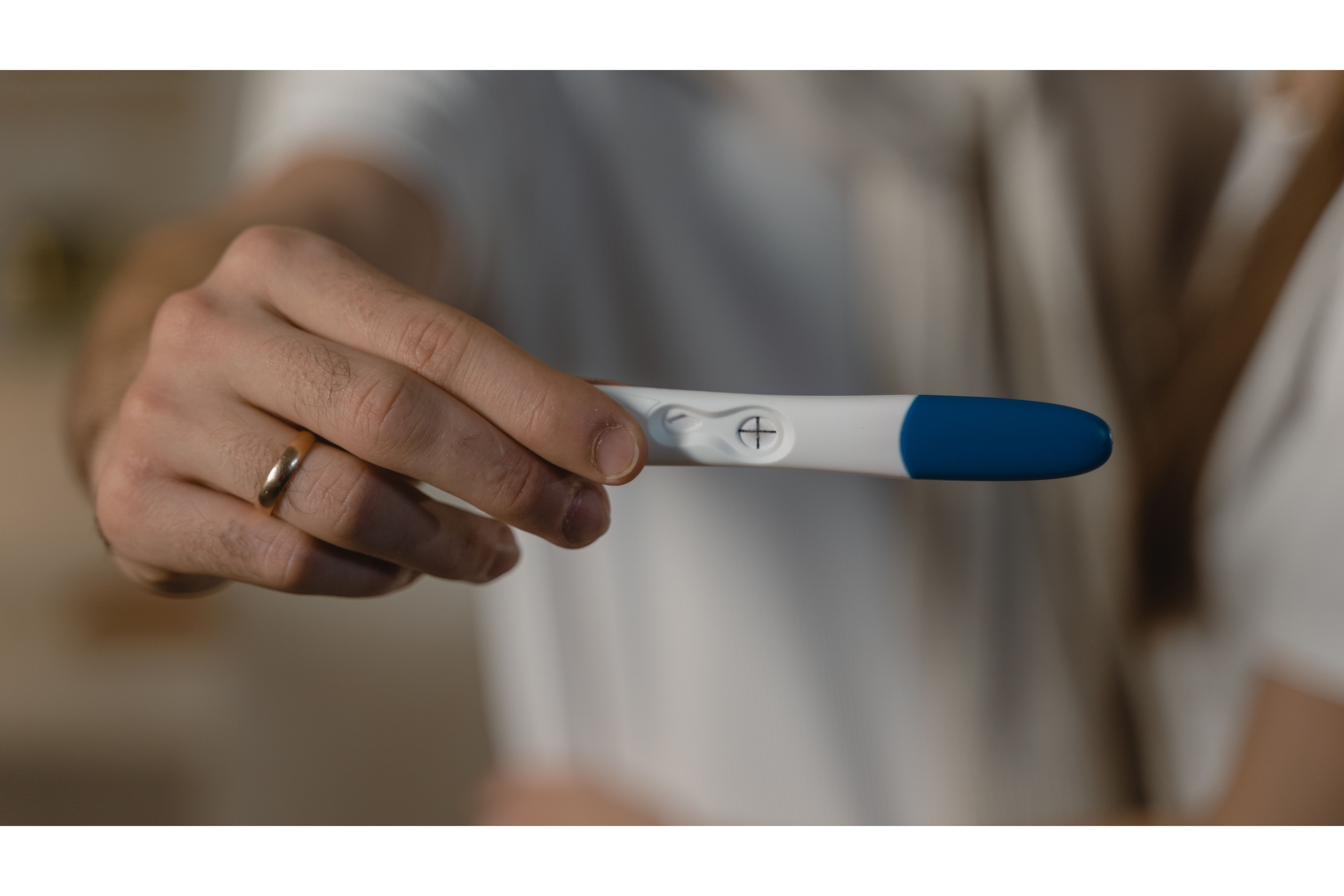
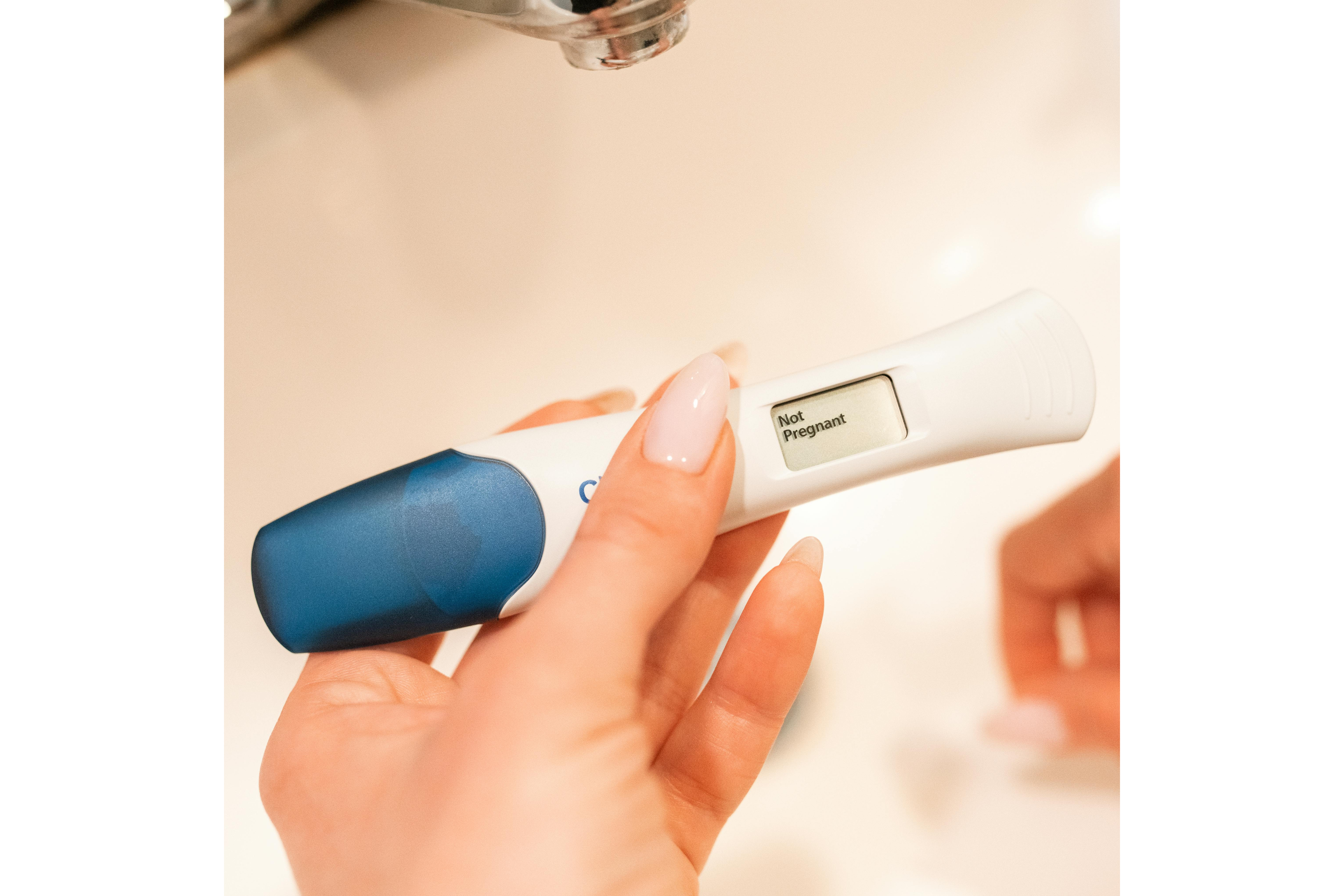
Trying to conceive but getting a negative result every month can feel emotionally draining and confusing. Many couples experience this during their fertility journey.
I had so many questions and spent a lot of time researching possible reasons. That’s when I learned that getting pregnant is not only about having intercourse. Factors such as timing, ovulation, lifestyle habits, nutrition, stress, and underlying health conditions can also play an essential role.
Here is something reassuring to know: many couples take several months to conceive even when everything is normal.
Tracking ovulation can help you understand when pregnancy is most likely, while healthy daily habits can support your overall well-being.
In this article, I’ll share 10 common reasons why pregnancy may not be happening yet, along with practical tips that may help increase your chances of conceiving naturally.
If you’re feeling frustrated, please know that you’re not alone. Many couples take longer to conceive than expected, and understanding the possible reasons can be the first step toward finding the right solution.
If you are just starting your TTC journey, read our guide How to Get Pregnant Naturally: 10 Proven Tips to Increase Your Chances.
My Personal TTC Experience
When trying to conceive my first child, I learned how important ovulation tracking and healthy lifestyle habits can be. After understanding my fertile window better and making small changes like improving my diet, reducing stress, and following healthier routines, I was able to conceive. This experience helped me understand how timing and lifestyle can influence fertility.
Within a couple of months of using ovulation test kits and making these changes, I conceived my first baby.
Some commonly used fertility tracking apps include:
- Flo
- Ovia
- Clue
10 Common Reasons Why You Are Not Getting Pregnant
1. Irregular Ovulation
This is one of the most common reasons, as ovulation is essential for pregnancy. If it is irregular, or in some cases if ovulation does not happen in certain months, conception can become more difficult.
Signs:
- Missing ovulation signs
- Irregular periods
- Unpredictable cycle length
To check whether you are ovulating, you can use ovulation test kits (which can help track fertile days more accurately), basal body temperature tracking, or ovulation and period tracking apps.

Signs You May Be Ovulating
Knowing when you are ovulating can significantly increase your chances of getting pregnant. There are several ovulation signs, which include:
- Clear, stretchy, egg-white cervical mucus
- Mild one-sided abdominal pain
- Increased libido
- Slight rise in basal body temperature
- Breast tenderness or sensitivity
- Increased sense of smell in some women
Not all women experience all ovulation symptoms.
You can read our detailed guide on Ovulation Symptoms, Signs & Fertile Window to better understand fertile days.
2. Incorrect Timing of Intercourse
Even if you are ovulating, incorrect timing of intercourse can reduce the chances of pregnancy.
Fertile Window:
The fertile window generally includes the days leading up to ovulation and the day of ovulation. Because the exact timing of ovulation can vary from person to person and from cycle to cycle, tracking cycle patterns, cervical mucus, or using ovulation tests may help you understand when your fertile window is approaching.
👉 You can also read our guide on Implantation Bleeding vs Period: How to Tell the Difference.
3. Stress and Emotional Pressure
Trying to conceive can be emotionally difficult, especially when each menstrual cycle brings hope followed by disappointment. Tracking ovulation, timing intercourse, waiting for a pregnancy test, and seeing repeated negative results can all create emotional pressure.
Activities such as walking, exercise, meditation, spending time with supportive people, or doing something relaxing may help support general well-being while trying to conceive.
However, fertility problems should not be blamed on stress alone. Difficulty conceiving can have many possible causes, including ovulation problems, age, sperm-related factors, medical conditions, and other factors. If you are concerned about your fertility or have been trying to conceive without success, speaking with a healthcare professional can help you understand whether further evaluation may be appropriate.
4. Poor Nutrition and Diet
Diet is one part of overall health while trying to conceive. Instead of focusing on one “fertility food” or following a strict diet, it may be more practical to include a variety of foods that fit your normal eating pattern.
This can include fruits, vegetables, legumes, nuts, seeds, whole grains, eggs, fish, and other protein sources. Reducing highly processed foods and excessive sugary foods may also support overall health.
For more details, read our guide on Best Foods to Improve Fertility Naturally for Women and Men.

5. Weight Imbalance (Overweight or Underweight)
Body weight can affect hormones and may impact ovulation regularity. However, avoid strict dieting or extreme weight loss methods.
Body weight can affect ovulation and reproductive health in some people. If weight is a concern, gradual and sustainable lifestyle changes may be more appropriate than extreme dieting or rapid weight loss.
6. PCOS or Hormonal Imbalance
Conditions that affect ovulation can make it more difficult to conceive. PCOS, for example, may be associated with irregular periods and irregular or absent ovulation. Some people with PCOS may also experience acne or increased facial or body hair, although symptoms vary.
Having irregular periods does not automatically mean that you have PCOS. If your periods are very irregular or you have symptoms that concern you, a healthcare professional can help determine whether further evaluation is appropriate.
7. Male Fertility Issues
Many couples often ignore this, but it can be one of the possible reasons for delayed conception.
Male-factor fertility problems are an important part of fertility evaluation and can contribute to difficulty conceiving.
How to Improve Sperm Health:
- Healthy diet
- No smoking
- Limit alcohol
- Regular exercise
- Reduce stress
Some at-home screening kits are available for basic fertility assessment, but a clinical semen analysis remains the most accurate method.
8. Thyroid Disorders
Both hypothyroidism and hyperthyroidism can affect ovulation and fertility. If you suspect any thyroid issues, it is important to consult your doctor for proper diagnosis and treatment.

9. Infrequent Intercourse
Having intercourse only once or twice a month can reduce the chances of conception.
Many couples choose to have intercourse every 2–3 days throughout the cycle, while others have intercourse more frequently during the fertile window. The best approach is one that is comfortable and sustainable for both partners.
10. Medical Conditions (Endometriosis, Infections)
If none of the above reasons apply, there may be underlying medical conditions that can affect fertility and may require proper medical diagnosis.
Conditions such as endometriosis or reproductive infections can impact conception, so it is beneficial to consult a doctor if you have concerns.
Prenatal Vitamins and Preconception Nutrition
If you are trying to conceive, it may be worth discussing prenatal vitamins with a healthcare professional. Folic acid is especially important before pregnancy because adequate folate intake helps support early fetal development. The right supplement may vary depending on your diet, health history, and individual nutritional needs, so it is better to choose supplements based on appropriate medical guidance rather than taking multiple products unnecessarily.
You can also check our detailed guide on Best Prenatal Vitamins for Pregnancy: What to Look For & Top Benefits Explained
When to See a Doctor
As per NHS, WHO, and medical guidelines, you should contact your doctor if:
- You have been trying to conceive for 12 months without success (under age 35)
- You have been trying for 6 months without success (age 35 and above)
- You have irregular cycles or known conditions such as PCOS or thyroid disorders
- You experience unusual pain or symptoms

Frequently Asked Questions (FAQs)
Why am I not getting pregnant even after trying regularly?
Most commonly, this may be due to ovulation timing issues, hormonal imbalance, or lifestyle factors.
How long does it take to get pregnant normally?
Many couples conceive within 6–12 months of regular trying.
According to fertility guidelines, around 80% of couples conceive within one year of regular unprotected intercourse, although this varies by age and individual health.
What increases the chances of pregnancy naturally?
Understanding when ovulation is likely to occur, having intercourse regularly, and maintaining habits that support general health may help. However, no lifestyle change can guarantee pregnancy, and fertility can be affected by many different factors.
Can stress stop pregnancy?
Stress can affect sleep, eating habits, sexual health, and overall well-being. In some people, significant stress may affect reproductive processes. However, fertility problems should not be blamed on stress alone.
Conclusion
Not getting pregnant after a few months of trying does not automatically mean that something is wrong. Fertility can be affected by many factors, including ovulation, timing, age, sperm health, medical conditions, and other aspects of reproductive health.
My own TTC experience taught me how helpful ovulation tracking and paying attention to daily habits could be for me. However, every fertility journey is different, and what works for one person may not work the same way for someone else.
If you have been trying to conceive without success, have irregular periods, experience unusual pain, or have other concerns about your reproductive health, speaking with a healthcare professional can help you understand whether further evaluation may be appropriate.
If you are seeing repeated negative tests, our guide Negative Pregnancy Test but No Period: 10 Reasons Why It Happens may be helpful for you.
About the Author
Hi, I’m Bhavana, a mom and the creator behind Happy Mama Ideas. I share simple fertility, pregnancy, baby care, and motherhood tips based on my own experience as a mother, along with trusted research, to help expecting and new moms feel more confident and supported on their journey.
Medical Disclaimer
This article is for informational purposes only and is not a substitute for professional medical advice, diagnosis, or treatment. Always consult a qualified healthcare provider for medical concerns.
Affiliate Disclaimer
This article may include references to general health-related tools or resources for informational purposes. I do not promote or guarantee any specific product.