
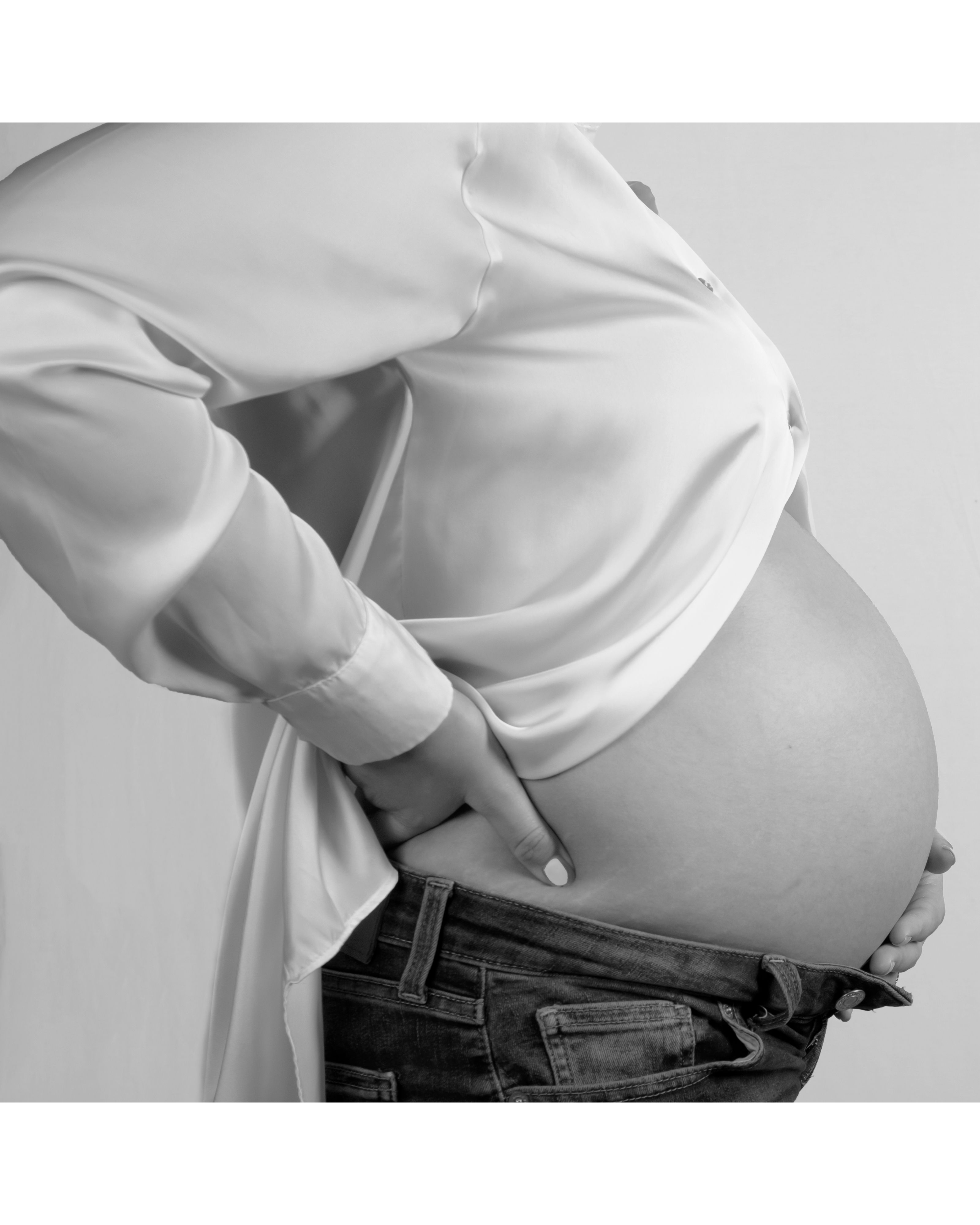
Struggling with back pain in early pregnancy? I know this feeling—it can be painful and difficult to manage. I experienced back pain during both of my pregnancies. Along with nausea, fatigue, and food aversions, back pain was also one of the symptoms I experienced in early pregnancy.
I remember wondering whether the pain was normal, especially when it first started. Over time, I learned more about the possible causes and found a few simple things that helped me manage it.
In this guide, I’ll share what my experience was like, what may cause back pain in early pregnancy, what helped me, and the warning signs that should not be ignored.
Along with back pain in early pregnancy, if you are also experiencing changes in early pregnancy discharge, you may find these guides helpful:

My Personal Experience with Early Pregnancy Back Pain
I experienced back pain during both of my pregnancies. Especially during my second pregnancy, taking care of a toddler while managing pregnancy with back pain felt very challenging on some days.
In my first pregnancy, around week 6–7, when I experienced mild discomfort in my back, I felt very afraid that something was wrong. I immediately visited my doctor, and he said that mild back pain is common unless it comes with bleeding, fever, or severe cramps.
What Helped Me Most
Changing my sleeping positions did not reduce the pain much. Later, I started making a few small changes that gradually helped me manage the pain better:
- Using a pregnancy pillow for better sleep support
- Taking short walks during the day
- Avoiding standing for long periods
- Doing gentle stretches recommended by my doctor

Is Back Pain in Early Pregnancy Normal?
Yes, back pain in early pregnancy is quite common and is usually not dangerous when it is mild. It can happen as your body adjusts to hormonal changes, ligament stretching, and the physical changes of pregnancy.
How Does Back Pain Feel in Early Pregnancy?
You may experience:
- Mild, dull aching pain
- A feeling of heaviness in the lower back
- Tightness around the hips
- Pain after standing for a long time
Causes of Back Pain in Early Pregnancy
From my experience and what I learned, these are some possible causes of back pain during early pregnancy:
Hormonal Changes:
One of the biggest reasons is the hormone relaxin.
Basically, this hormone helps loosen ligaments and joints to prepare your body for pregnancy. This can make your back feel unstable or sore.
You may notice:
- Loose hips
- Lower back pressure
- Mild pelvic discomfort
Uterus Expansion:
As the uterus expands during pregnancy, it puts pressure on nearby muscles and ligaments. This can create back discomfort.
In my case, I noticed that when I sit for a long period, I feel discomfort in my back.
Constipation and Bloating
One of my most uncomfortable experiences was this. I had severe constipation and bloating during my first trimester. I even asked my doctor for medicine, but he simply said it is quite common. He advised me to stay hydrated and eat fiber-rich foods.
Due to constipation and bloating, I also felt pressure in my lower back.
If constipation is also making you uncomfortable, you may find my guide Constipation During Pregnancy: Causes, Relief, Foods & Safe Remedies helpful. It explains why constipation happens, foods that may help, safe home remedies, and when to contact your healthcare provider.
Poor Sleeping Position
A poor sleeping position can worsen back pain during pregnancy. A pregnancy pillow may provide additional support and make sleeping more comfortable for some people.
If you’re considering a pregnancy pillow, you may find our guide, Best Pregnancy Pillows for Side Sleeping (2026 Guide): Sleep Better & Reduce Pain, helpful

Early Pregnancy Back Pain vs Period Back Pain
Early pregnancy back pain and period back pain can feel very similar. I also found it difficult to tell the difference when I first experienced back pain in early pregnancy.
If you’re also wondering whether light bleeding is implantation bleeding or the start of your period, you may find our guide, Implantation Bleeding vs Period: How to Tell the Difference (Complete Guide), helpful.
Here is a simple comparison:
| Symptom | Early Pregnancy Back Pain | Period Back Pain |
| Timing | Can happen before a missed period | Usually before or during periods |
| Feeling | Dull ache, pressure | Cramping or pulling pain |
| Duration | Can last for days or weeks | Usually shorter |
| Other Symptoms | Nausea, discharge, fatigue | PMS symptoms |
You may also find the guide on 10 Early Pregnancy Symptoms Before a Missed Period helpful — check it here.
What Helped Me Relieve Early Pregnancy Back Pain
Here are some simple tips that worked for me. In my experience, back pain during pregnancy may improve gradually, but it can come and go throughout pregnancy. These small changes helped make the discomfort easier for me to manage.
Rest More
Don’t ignore your tiredness. When I felt tired, I tried not to push myself and rested whenever I could. Proper rest can reduce muscle strain.
Use a Pregnancy Pillow
For me:
- Pregnancy pillow supported my hips
- Reduced pressure on my lower back
- Improved sleep quality
Stay Hydrated
Staying hydrated is important during pregnancy and may help you feel more comfortable, especially if you are also dealing with constipation.
Always keep a water bottle nearby.
For more detailed guidance on hydration during pregnancy, including how much total water you may need, hydration during morning sickness, and gestational diabetes, read our guide on How Much Water Should a Pregnant Woman Drink?
Light Stretching
Gentle stretching can reduce muscle stiffness.
You can try:
- Cat-Cow stretch
- Pelvic tilt
- Side stretches
Avoid intense exercise without your doctor’s approval.
Warm Compress
I used a warm compress on my lower back pain, and it helped me relax my muscles. It can also help with early pregnancy cramping.
If you are experiencing cramping, you can check: Why Am I Cramping in Early Pregnancy? Causes, Symptoms, Relief & When to Worry
When Is Back Pain in Early Pregnancy a Warning Sign?
Mild back pain is normal during early pregnancy. In some cases, back pain may indicate a more serious condition.
However, you should contact your doctor immediately if you experience:
- Heavy bleeding
- Severe abdominal pain
- Chills
- Fever
- Burning while urinating
- Sharp one-sided pain
- Dizziness
- Severe cramping
These symptoms can sometimes be associated with conditions that need prompt medical assessment, including miscarriage, infection, or ectopic pregnancy. Seek urgent medical care if you have severe pain, heavy bleeding, dizziness, or other serious symptoms.
Read next: Early Pregnancy Bleeding: Causes, Normal vs Miscarriage Signs

How Long Does Early Pregnancy Back Pain Last?
The duration can vary from person to person. I had back pain for only a few days during my first pregnancy, but during my second pregnancy, it continued for many weeks.
Every pregnancy is different, and back pain may come and go depending on its underlying cause.
Frequently Asked Questions (FAQ)
Here are some commonly asked questions about early pregnancy back pain:
Can back pain be an early pregnancy symptom?
Yes, some women experience mild lower back pain before or around a missed period.
Is lower back pain normal at 4 weeks pregnant?
Mild lower-back discomfort can occur in early pregnancy, although symptoms vary from person to person. Back pain is not a reliable way to confirm pregnancy or implantation.
Can implantation cause back pain?
Some women report mild cramping or discomfort around the time of implantation, but back pain is not a reliable sign of implantation. If you are experiencing significant or persistent pain, speak with your healthcare provider.
Does a pregnancy pillow help early pregnancy back pain?
Yes, it helped me a lot. I found that it gave my hips and lower back more support while sleeping.
What I Learned About Early Pregnancy Back Pain
I know back pain in early pregnancy can feel scary, especially when you don’t know whether it is normal. I felt that worry myself during my first pregnancy when the pain started around 6–7 weeks.
I learned that paying attention to my symptoms, resting when I needed to, and making small changes to my daily routine helped me manage the discomfort.
Every pregnancy can be different. If your back pain feels severe, suddenly gets worse, or comes with bleeding, fever, severe cramping, or other concerning symptoms, contact your healthcare provider.
About the Author
Hi, I’m Bhavana, a mom and the creator behind Happy Mama Ideas. I share simple pregnancy, baby care, and motherhood tips based on my own experiences as a mother, along with information from trusted health sources such as the NHS and WHO. My goal is to help expecting and new moms feel more confident and supported on their journey.
Medical Disclaimer
This article is for informational purposes only and is not a substitute for professional medical advice, diagnosis, or treatment. Always consult your doctor or healthcare provider before trying any remedies during pregnancy.
Affiliate Disclaimer
This article may contain affiliate links. This means that if you click on a link and make a purchase, I may earn a small commission at no extra cost to you.
I only recommend products that I personally find helpful, relevant, and useful for pregnancy and new moms. This helps support the website at no additional cost to you.
Leave a Reply