
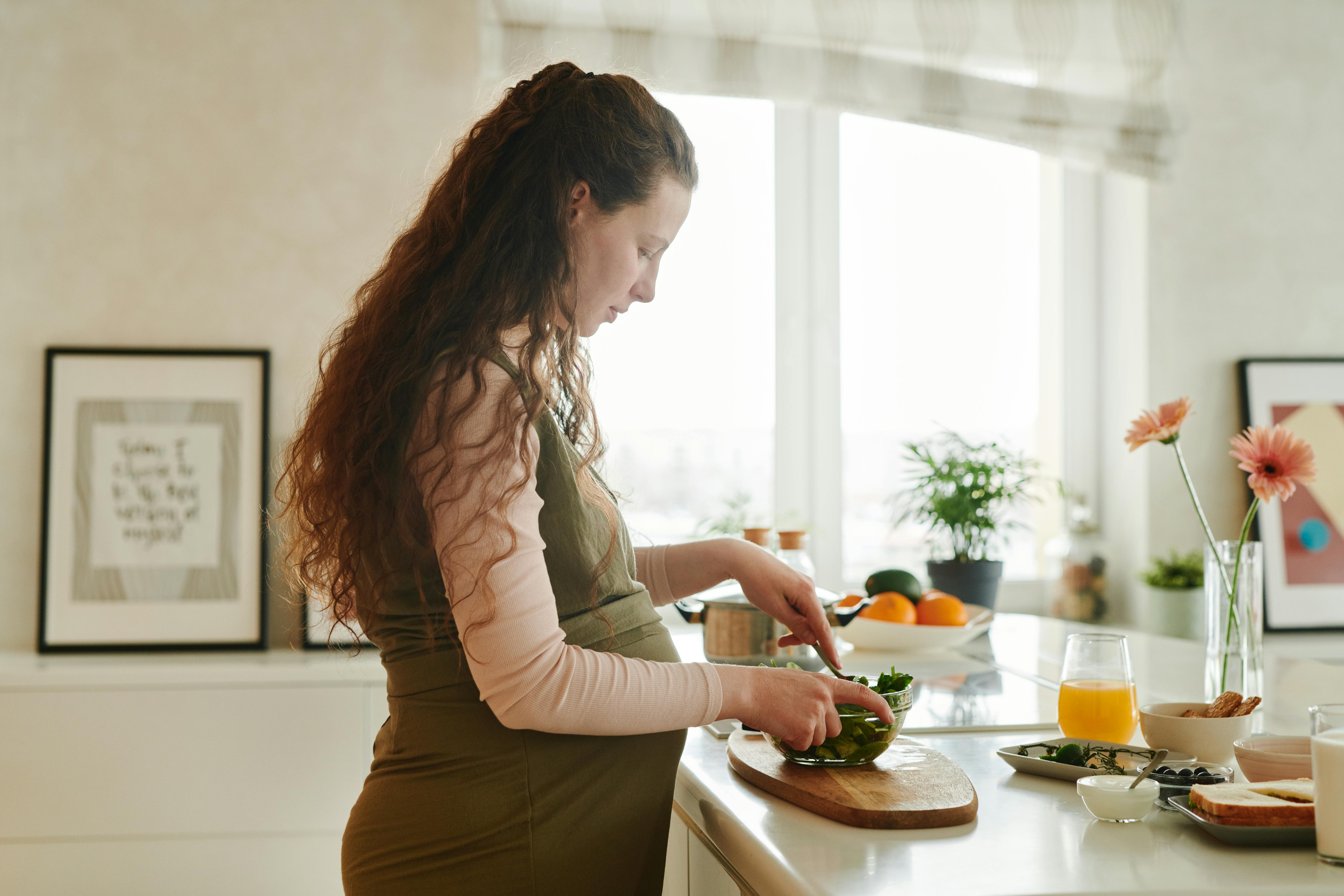
Healthy Eating During Pregnancy: Where to Start
Firstly, congratulations on your pregnancy!
Soon after I got a positive result, food became one of the things I thought about most. What should I eat? If I eat this, will it hurt my baby? If I eat this, will it help my baby grow well? I had so many questions on my mind.
I wanted to make healthy choices, so I made a list of foods I wanted to include in my meals and planned a simple timetable to follow. But pregnancy did not always go according to plan. Nausea, bloating, and other pregnancy symptoms sometimes made it difficult for me to eat the foods I had planned.
During pregnancy, your body needs extra nutrients and energy to support your baby’s growth. Your nutritional needs may also change as your pregnancy progresses, so eating a varied and balanced diet can help you get the nutrients you and your baby need.
Below, I’m sharing the foods I included in my daily diet during my two pregnancies, along with what I learned from my own experience.
My Personal Experience with Pregnancy Nutrition
I am a big foodie and usually enjoy eating whatever I like. During pregnancy, I also wanted to eat healthy and make sure I was getting the nutrients my baby needed, so I tried to avoid junk food.
But eating healthy was not always as easy as it sounds. Some days I felt extremely hungry and would get irritated or angry easily when I hadn’t eaten for a while. At the same time, I didn’t always feel like eating fruits or other healthy foods.
I experienced cravings, food aversions, and nausea, especially during my second pregnancy. Instead of forcing myself to eat foods I couldn’t tolerate, I looked for simple ways to add nutritious foods to meals I could manage.
For example, I added fruits to yogurt, made pancakes with bananas and eggs, and found other easier ways to include nutrition when I couldn’t tolerate raw fruits.
What I learned from my pregnancies is that healthy eating doesn’t always have to be perfect. Finding simple foods I could tolerate and adding a variety of nutritious options to my meals made it much easier for me to eat well during pregnancy.

Nutrients I Focused on During Pregnancy
I tried to make sure my meals included folate, iron, calcium, protein, omega-3 fatty acids, and fiber. I also took the prenatal vitamins recommended by my doctor.
Folate was especially important during early pregnancy. I included iron-rich foods because I knew my iron needs had increased, and I regularly included protein and calcium in my meals. Fiber also helped me manage digestion and constipation, which I experienced during pregnancy.
I didn’t get every nutrient perfectly every day. When nausea, cravings, or food aversions made eating difficult, I chose foods I could tolerate and tried to make them more nutritious.
If you’re already taking prenatal vitamins, you might also find my Prenatal Vitamins During Pregnancy: Benefits, Key Nutrients & How to Choose helpful. It explains the key nutrients to look for and what to consider when choosing a prenatal vitamin.
10 Pregnancy Foods to Include in Your Diet
One thing I noticed during pregnancy was how quickly I could go from feeling fine to feeling extremely hungry. When I waited too long to eat, I could become irritated and uncomfortable, so keeping filling meals and snacks available helped me get through the day.
Eating well also helped me feel more prepared for the physical changes of pregnancy. I didn’t follow a strict diet, and I still had cravings and days when my meals were far from perfect. I simply tried to choose foods that kept me satisfied and gave me something nutritious whenever I could.
1. Green Vegetables
I made sure to include at least one green vegetable in my meals every day. Green vegetables like spinach, kale, broccoli, and beans are easily available near me, so I tried to have at least one of them daily.
Green vegetables can provide nutrients such as folate, iron, calcium, and fiber. I had constipation during pregnancy, and eating more fiber-rich foods helped me manage it.
If you’re also dealing with constipation during pregnancy, you may find my Constipation During Pregnancy: Causes, Relief, Foods & Safe Remedies helpful.

2. Nuts and Dry Fruits
Even when I was trying to conceive, I started eating almonds and walnuts once a day. After I became pregnant, I increased the amount a little and continued having them regularly.
I usually soaked almonds and walnuts overnight and had them in the morning. During my first trimester, though, morning sickness was so bad that I almost stopped eating them for about a month. Later, when I felt better and remembered how nutritious they were, I started adding the soaked nuts to banana and oat smoothies instead. This made them much easier for me to have without forcing myself to eat them on their own.
Nuts can provide protein, healthy fats, fiber, and minerals, while walnuts are also a source of omega-3 fatty acids.
If morning sickness is making it difficult for you to eat normally, you may find my 10 Natural Ways to Relieve Morning Sickness During Pregnancy helpful.

3. Bananas
Bananas were my go-to snack when I wanted something sweet during pregnancy. In my first trimester, I usually ate a banana on its own.
From my second trimester, after I was diagnosed with gestational diabetes, I changed the way I had it. Instead of eating a whole banana, I usually had half a banana with peanut butter. This became one of my simple snacks when I was craving something sweet.
Bananas provide potassium and fiber, while peanut butter adds protein and fat, making this combination more filling for me.
4. Avocados
I often added avocado to my breakfast during pregnancy. I would simply mash it and spread it on whole-grain bread with a pinch of salt and pepper. Then I topped it with sliced egg.
On weekends, when I had a little more time, I sometimes added a slice of cheese and an omelette instead. It was a simple breakfast, but it kept me satisfied and was easy to put together.
Avocado provides healthy fats, folate, potassium, and fiber, while the other ingredients made this breakfast more filling.

5. Dairy Products
I included dairy in different ways during my pregnancies. I often added milk to smoothies and oats pudding, which was an easy way for me to include it without having to drink a glass of milk on its own.
In my last trimester, I started drinking plain milk before bed. I often felt hungry at night, and having a glass of milk before going to bed helped reduce that hunger for me.
6. Protein-Rich Foods
Protein became especially important in my meals during the second and third trimesters. After I was diagnosed with gestational diabetes, I needed to pay closer attention to my glucose levels, and I found that including a protein source in my meals made it easier for me to build balanced meals.
I tried to include protein in all three meals. Depending on the meal, I had eggs, chicken, lentils, or fish. I also included other protein-rich foods such as dairy products and nuts when they suited the meal.
For me, making sure each meal had a protein source became a simple part of managing my pregnancy diet, especially during the later months.

7. Whole Grains
I included whole grains like oats, quinoa, bulgur, and whole-grain bread in my pregnancy meals. I usually paired them with greens and a source of protein to make a more balanced meal.
Whole grains provided carbohydrates for energy along with fiber and other nutrients.
For more ideas on putting together balanced meals, see my Pregnancy Diet Chart: Healthy Meal Plan for First, Second & Third Trimester.
8. Colorful Vegetables
I tried to include different vegetables in my meals depending on what was available. Carrots, tomatoes, bell peppers, corn, beets, and green peas were some of the vegetables I regularly used.
I liked adding different colors to my meals rather than sticking to the same vegetables every day.

9. Fresh Fruits
I preferred eating whole fruits during pregnancy instead of having them as juices. I usually chose fruits like apples, bananas, berries, mangoes, watermelon, and oranges depending on what I had available.
10. Seeds and Nut Butters
I enjoyed eating peanut butter during pregnancy and often used it with foods like banana or whole-grain bread. It was an easy way for me to add something filling to my meals and snacks.
I also liked adding chia seeds to smoothies, oats, and other meals when I could. These were simple additions that fit easily into my regular pregnancy diet.
How I Remembered to Drink Water During Pregnancy
I was not very good at remembering to drink enough water during my first pregnancy. I would get busy and realize later that I had hardly had any water, so I started setting reminders on my phone to drink.
My second pregnancy was completely different. By then, my toddler had become my little water reminder. She would come to me and say, “Mama, drink some water,” or “Mama, it’s water time. Mama, have water!” It was honestly much harder to forget when I had my own little reminder walking around the house.
I also found it easier to drink water when I kept my bottle nearby and took small sips throughout the day. Staying hydrated was especially important for me when I was dealing with constipation and other pregnancy discomforts.
I also experienced heartburn during pregnancy, and if you’re dealing with it too, you may find my Heartburn During Pregnancy: Causes, Relief & What Helped Me helpful.
If you are unsure how much water you need during pregnancy, read our guide on How Much Water Should a Pregnant Woman Drink? A Simple Pregnancy Hydration Guide.

How I Made Pregnancy Meals Easier
I found pregnancy eating easier when I kept a few quick options ready. Yogurt with fruit, boiled eggs, smoothies, and nuts were some of my go-to snacks and simple meals.
This helped on days when I had cravings, nausea, or food aversions because I could choose something I could tolerate without preparing a complicated meal.
After I was diagnosed with gestational diabetes, I also paid more attention to combining grains, vegetables, and protein in my meals.
If you’re unsure which foods to avoid or limit during pregnancy, read my Foods to Avoid During Pregnancy: What Not to Eat for a Healthy Baby guide.
Common Questions About Pregnancy Nutrition
How many times should I eat during pregnancy?
There is no single meal schedule that works for every pregnant woman. I found it easier to eat regular meals and keep simple snacks available, especially on days when I felt extra hungry or nauseous.
What should I eat when I feel hungry all the time during pregnancy?
Choose filling meals and snacks that combine protein, fiber-rich foods, and carbohydrates. During my pregnancies, having simple options ready helped me manage those days when I seemed to be hungry all the time.
Healthy Eating During Pregnancy: Final Thoughts
Eating well during pregnancy doesn’t have to mean getting every meal right. Stay hydrated, listen to your body, and make nutritious choices when you can, especially on days when nausea, cravings, or food aversions make eating more difficult.
If you have questions about your nutritional needs or have a condition such as gestational diabetes, talk with your doctor or healthcare provider for advice that fits your pregnancy.
About the Author
Hi, I’m Bhavana, a mom and the creator of Happy Mama Ideas. I share practical pregnancy, baby care, and motherhood tips based on my own experiences as a mother, along with information from trusted sources, to help expecting and new moms feel more confident throughout their journey.
Medical Disclaimer
This article is for informational purposes only and is not a substitute for medical advice. Always consult your doctor or healthcare provider before making dietary changes during pregnancy.
Leave a Reply